

As the demand for natural remedies continues to grow, the spotlight is now shining on the potential benefits of THCA (tetrahydrocannabinolic acid) in Texas. This comprehensive guide aims to shed light on the advantages of THCA and its legal status in the Lone Star State.
THCA is a non-intoxicating compound found in raw cannabis plants, and it holds immense promise for its therapeutic uses. Although further research is needed, existing studies suggest that THCA may have anti-inflammatory, neuroprotective, and anti-emetic properties. It has also shown potential in alleviating chronic pain, aiding in sleep disorders, and managing symptoms of epilepsy.
While THCA is found in cannabis plants, it is important to note that its legal status differs from that of THC (tetrahydrocannabinol). In Texas, where hemp-derived CBD is legal, the legality of THCA is complex and merits clarification. This guide will navigate the intricacies of THCA’s legality, providing readers with accurate information and empowering them to make informed decisions regarding its use.
Stay tuned as we unlock the potential of THCA in Texas and dive into its fascinating benefits and legal landscape.
What is THCA and its potential benefits?
THCA, or tetrahydrocannabinolic acid, is a naturally occurring compound found in the raw cannabis plant. As a precursor to THC, it is present in fresh cannabis leaves and flowers, where it remains in its acidic form until subjected to heat or decarboxylation, converting it into the psychoactive compound THC. Understanding THCA’s unique characteristics is essential, as it offers various potential benefits without the intoxicating effects commonly associated with cannabis.
Research into THCA is still in its early stages, but preliminary studies have highlighted its promising therapeutic effects. THCA is believed to possess anti-inflammatory properties, which could make it a beneficial option for individuals suffering from conditions characterized by inflammation, such as arthritis or inflammatory bowel disease. Additionally, its neuroprotective qualities might provide a protective effect on brain health, potentially offering support in neurodegenerative diseases like Alzheimer’s or Parkinson’s.
Moreover, THCA is thought to have anti-emetic properties, which could help in reducing nausea and vomiting, especially in patients undergoing treatments like chemotherapy. This aspect makes it an attractive alternative for those seeking relief from these symptoms without the psychoactive effects of THC. As more research emerges, the full spectrum of THCA’s benefits may become clearer, positioning it as a valuable compound in the realm of natural health remedies.
The legality of THCA in Texas
The legal landscape surrounding cannabis in Texas is complex, especially when it comes to differentiating between various cannabis compounds. In 2018, the U.S. federal government legalized hemp-derived products containing less than 0.3% THC with the passage of the Farm Bill, which led to the legalization of hemp and its derivatives in many states, including Texas. However, the legal status of THCA remains somewhat ambiguous due to its relationship with THC.
In Texas, hemp-derived CBD is legal, and products containing CBD can be found in various forms, including oils, edibles, and topicals. However, THCA’s legal status is not as widely defined. While it is a non-psychoactive compound, some legal experts argue that it could fall under the same regulations as THC due to its structural similarity. This creates a legal gray area that can be confusing for consumers and producers alike.

To navigate this legal complexity, it is essential for individuals interested in THCA to stay informed about state laws and regulations. Consulting with legal experts or professionals in the cannabis industry can provide valuable insights into the current status of THCA in Texas. As the demand for cannabis-derived products continues to grow, the legal framework surrounding compounds like THCA may evolve, potentially offering clearer guidelines for consumers in the future.
THCA vs. THC: Understanding the difference
To fully appreciate the potential of THCA, it is crucial to understand how it differs from THC. While both compounds originate from the cannabis plant and share similar chemical structures, their effects on the human body vary significantly. The primary distinction lies in their psychoactive properties: THCA is non-intoxicating, while THC is known for its psychoactive effects, which can lead to the euphoric “high” commonly associated with cannabis consumption.
The way THCA and THC interact with the body’s endocannabinoid system also differs. THCA does not bind effectively to the CB1 receptors in the brain, which are primarily responsible for the psychoactive effects attributed to THC. Instead, THCA may interact with other receptors, potentially contributing to its anti-inflammatory and neuroprotective properties. This distinction positions THCA as an appealing option for individuals seeking the therapeutic benefits of cannabis without experiencing intoxication.
Understanding these differences can help consumers make informed decisions about their cannabis use, particularly for those who may be sensitive to the psychoactive effects of THC. For patients seeking relief from medical conditions without the “high,” THCA offers a promising alternative, enabling them to explore the potential benefits of cannabis in a non-intoxicating form.
The potential medical benefits of THCA
The medical benefits of THCA are gaining attention as researchers delve deeper into its properties. One significant area of interest is its potential to alleviate chronic pain. Preliminary studies suggest that THCA may act as an anti-inflammatory agent, which can be beneficial for individuals suffering from conditions like arthritis, fibromyalgia, or other chronic pain disorders. By reducing inflammation, THCA could provide a natural alternative for pain management without the side effects often associated with conventional pain medications.
In addition to pain relief, THCA may also play a role in managing neurological conditions. Some research indicates that THCA might have neuroprotective effects, potentially slowing the progression of neurodegenerative diseases such as Alzheimer’s or multiple sclerosis. This property could be particularly valuable for patients seeking to preserve cognitive function and improve their quality of life in the face of these debilitating conditions.
Another potential benefit of THCA is its ability to reduce nausea and vomiting, especially in patients undergoing chemotherapy. By serving as an anti-emetic, THCA could provide relief for those who experience severe side effects from cancer treatments. This aspect of THCA highlights its importance as a complementary therapy in oncology, allowing patients to maintain better overall health and comfort during their treatment journey.
How to consume THCA safely
As interest in THCA grows, individuals looking to incorporate it into their wellness routine must prioritize safe consumption practices. One of the most effective ways to consume THCA is through raw cannabis, as this form retains the highest concentration of the compound. Fresh leaves and flowers can be juiced or blended into smoothies, providing a nutrient-rich beverage that delivers the potential benefits of THCA without the psychoactive effects of THC.
For those who prefer a more concentrated form, THCA-rich tinctures and oils are increasingly available on the market. These products can be taken sublingually (under the tongue) for quick absorption or added to food and beverages. However, it is crucial to choose high-quality products from reputable sources to ensure purity and potency. Always check for third-party lab testing to verify the product’s cannabinoid profile and safety.
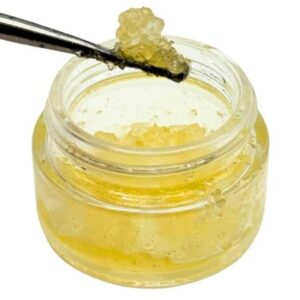
It is also advisable to start with a low dosage when trying THCA for the first time, gradually increasing as needed based on individual tolerance and response. Consulting with a healthcare professional knowledgeable in cannabis use can provide personalized guidance, especially for those with pre-existing medical conditions or taking other medications. By prioritizing safe consumption practices, individuals can maximize the therapeutic potential of THCA while minimizing any risks associated with its use.
THCA and its impact on various health conditions
THCA’s therapeutic potential extends across a wide range of health conditions, making it a compelling subject of study in the medical community. Its anti-inflammatory properties position it as a possible treatment option for individuals suffering from autoimmune diseases, such as lupus or rheumatoid arthritis. These conditions often involve chronic inflammation, and by potentially reducing this inflammation, THCA may help alleviate symptoms and improve overall quality of life for affected individuals.
In addition to autoimmune disorders, THCA may also offer support for those experiencing digestive issues. Conditions like Crohn’s disease or ulcerative colitis, which are characterized by inflammation of the digestive tract, may benefit from the anti-inflammatory properties of THCA. While research is still needed to establish definitive links, anecdotal evidence suggests that individuals with these conditions have found relief through the use of THCA-rich products.
Furthermore, THCA’s neuroprotective effects could have implications for managing neurodegenerative diseases. Preliminary studies indicate that THCA may help protect brain cells from damage, potentially slowing the progression of conditions like Alzheimer’s disease and Parkinson’s disease. As research continues, understanding the full impact of THCA on various health conditions will be essential in harnessing its potential as a natural therapeutic agent.
Research and studies on THCA
Current research surrounding THCA is still in its infancy, but existing studies have laid a foundation for understanding its potential benefits. Researchers have begun exploring the compound’s pharmacological properties, investigating its effects on inflammation, neuroprotection, and nausea. For instance, a study published in the Journal of Natural Products highlighted THCA’s anti-inflammatory effects, demonstrating its ability to inhibit the production of inflammatory cytokines in cell cultures. These findings suggest that THCA may play a role in managing inflammatory conditions.
Moreover, studies examining THCA’s neuroprotective properties are gaining traction. Research published in the journal Neurotherapeutics has indicated that THCA may offer protective effects against neurodegeneration, providing a potential avenue for developing therapies for conditions like Alzheimer’s and Parkinson’s disease. While more clinical trials are needed to confirm these effects in humans, the early findings are promising.
Despite the limitations in research, the growing interest in THCA has prompted calls for more comprehensive studies to fully understand its mechanisms and potential applications. As the cannabis industry continues to evolve and expand, funding for research into lesser-known cannabinoids like THCA is crucial. Increased scientific inquiry will pave the way for evidence-based conclusions about THCA’s therapeutic potential, ultimately benefiting patients seeking natural remedies for their health concerns.
The future of THCA in Texas
The future of THCA in Texas is poised for growth as interest in cannabis-derived products continues to rise. With the increasing awareness of THCA’s potential benefits, more consumers and healthcare professionals are likely to advocate for its inclusion in treatment options. This advocacy could lead to a more favorable legal framework surrounding THCA, allowing for greater accessibility and research opportunities in the state.
Furthermore, as the cannabis industry expands, Texas may witness an influx of innovative products featuring THCA. With the rise of cannabis cultivation, local farmers may begin to explore the cultivation of high-THCA strains, enabling the production of a variety of THCA-rich products. This surge in availability could empower consumers to make informed choices about incorporating THCA into their wellness routines.
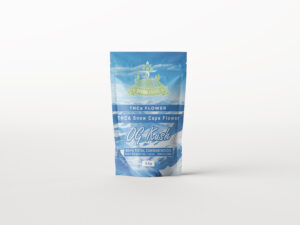
In addition to product development, education will play a vital role in shaping the future of THCA in Texas. As consumers become more knowledgeable about the differences between THCA and THC, they may seek out non-intoxicating alternatives for their health needs. Increased awareness and education will foster a more informed public, ultimately contributing to the acceptance of THCA as a legitimate therapeutic option in the Lone Star State.
Common misconceptions about THCA
Despite the growing interest in THCA, several misconceptions persist regarding its properties and effects. One common myth is that THCA is just another form of THC and therefore carries the same psychoactive effects. This misconception can deter individuals from exploring THCA’s potential benefits, as they may fear experiencing intoxication. In reality, THCA is non-psychoactive and does not produce the “high” associated with THC, making it a safer alternative for those seeking therapeutic effects without intoxication.
Another misconception involves the belief that THCA is ineffective compared to its psychoactive counterpart, THC. While THC is known for its potency in providing relief from various symptoms, THCA has its own unique therapeutic properties that warrant attention. Research suggests that THCA may offer anti-inflammatory, neuroprotective, and anti-emetic effects, making it a valuable option in the realm of natural remedies. Dismissing THCA as inferior ignores its potential benefits, which could be beneficial for many individuals.
Finally, some individuals may assume that THCA is illegal or not widely accepted due to its association with cannabis. However, as previously discussed, the legal status of THCA is evolving, particularly in states like Texas. Staying informed about the legal framework surrounding THCA can help dispel this misconception and empower individuals to make informed choices about its use. As knowledge about THCA continues to grow, so too will its acceptance and utilization in the wellness community.
Conclusion: Harnessing the power of THCA for a healthier future
In conclusion, THCA holds immense promise as a therapeutic compound with a range of potential benefits. As research continues to evolve, it is becoming increasingly clear that THCA can offer anti-inflammatory, neuroprotective, and anti-emetic properties, making it a valuable addition to the natural health landscape. The unique characteristics of THCA, particularly its non-psychoactive nature, position it as an appealing option for individuals seeking relief from various health conditions without the intoxicating effects of THC.
The legal landscape surrounding THCA in Texas is gradually shifting, with greater awareness and advocacy paving the way for increased accessibility and research opportunities. As consumers become more knowledgeable about the differences between THCA and THC, they may embrace THCA as a viable alternative for their health needs.
Ultimately, harnessing the power of THCA presents an opportunity for individuals to explore natural remedies for a healthier future. By staying informed about its benefits and legal status, consumers can make empowered choices regarding the incorporation of THCA into their wellness routines, unlocking its full potential for improved health and well-being in Texas and beyond.