

In recent years, the legalization of cannabis has opened up a new world of possibilities, especially for the health and wellness industry. One cannabis compound that has gained significant attention is THCA, and its popularity is on the rise in Tennessee. This comprehensive guide will take you through everything you need to know about THCA and its exciting benefits.
THCA, or tetrahydrocannabinolic acid, is a non-intoxicating cannabinoid found in raw cannabis plants. While THC is the well-known compound responsible for the psychoactive effects of marijuana, THCA has its own unique properties and potential health benefits. From its anti-inflammatory and neuroprotective properties to its possible anticancer effects, THCA is becoming a hot topic among researchers, patients, and entrepreneurs in Tennessee.
This article will explore the various ways THCA can be consumed, highlight its potential therapeutic uses, and address any legal considerations. Whether you’re a cannabis enthusiast or simply curious about the latest trends in natural medicine, this guide will provide you with a comprehensive understanding of THCA and its exciting rise in Tennessee.
What is THCA and its benefits?
THCA, or tetrahydrocannabinolic acid, is a naturally occurring cannabinoid found in raw cannabis plants. Unlike its more famous counterpart, THC, THCA does not produce psychoactive effects. This means that individuals can experience the potential health benefits of cannabis without the intoxicating “high” associated with THC. THCA is typically found in fresh cannabis flowers, and its presence diminishes as the plant is dried and cured. This unique property of THCA makes it a topic of interest for both researchers and consumers alike, especially in the context of health and wellness.

Research into THCA is still in its early stages, but preliminary studies suggest that it may offer several therapeutic benefits. For instance, THCA is believed to possess anti-inflammatory properties that could help alleviate symptoms of conditions like arthritis and autoimmune disorders. Additionally, it has shown potential neuroprotective effects, which might offer a safeguard against neurodegenerative diseases such as Alzheimer’s and Parkinson’s. These benefits make THCA an exciting compound to explore, particularly for those seeking natural alternatives to conventional medicine.
Furthermore, THCA has garnered attention for its potential anticancer properties. Some studies suggest that it may inhibit the growth of certain cancer cells, although more research is needed to fully understand its efficacy and mechanisms. This potential for cancer treatment, combined with its non-intoxicating nature, positions THCA as a promising compound for therapeutic exploration. As interest continues to grow, the conversation surrounding THCA is likely to evolve, paving the way for new discoveries and applications in health and wellness.
The legal status of THCA in Tennessee
In Tennessee, the legal landscape surrounding cannabis has undergone significant changes in recent years, particularly with the advent of hemp legalization. Following the 2018 Farm Bill, which legalized hemp-derived products containing less than 0.3% THC, the understanding of cannabinoids like THCA has shifted. While THC is still classified as a Schedule I controlled substance, THCA, being non-intoxicating, occupies a somewhat grey area in terms of legality.
Currently, THCA is legal to possess and sell in Tennessee, as it is derived from hemp and not classified as a controlled substance. This legal status has allowed for the emergence of a burgeoning market for THCA products, catering to consumers interested in the potential benefits of this cannabinoid without the legal repercussions associated with THC. However, as laws can be complex and subject to change, it is essential for consumers to stay informed about the current regulations governing THCA and other cannabis-derived products.
While the legal framework is supportive of THCA, it is crucial for consumers to be aware of the specific regulations surrounding the sale and distribution of these products. Retailers and producers must adhere to strict guidelines to ensure compliance with state laws. As the cannabis landscape continues to evolve, keeping an eye on legislative developments will be important for both consumers and businesses operating within this space.
The history of THCA in Tennessee
The history of cannabis in Tennessee is rich and complex, reflecting broader societal changes in attitudes toward marijuana use. For many years, cannabis was largely stigmatized, and its cultivation and use were strictly regulated. However, the push for cannabis reform began to gain traction in the early 2000s, with advocates highlighting the potential health benefits of cannabis and its components, including cannabinoids like THCA.
The pivotal moment for cannabis in Tennessee came in 2014 when the state passed legislation allowing the use of cannabis oil for patients with intractable seizures. This law marked a significant shift in public perception and paved the way for further exploration of cannabis-derived products. The 2018 Farm Bill further catalyzed change by legalizing hemp-derived products, which included THCA. This legislation enabled farmers in Tennessee to cultivate hemp and, in turn, increased awareness and accessibility of various cannabinoids.
As the understanding of cannabinoids evolved, so too did the market for THCA products. Entrepreneurs began to explore the potential of THCA, leading to the establishment of specialized retailers and products designed to capitalize on this non-intoxicating compound. Today, Tennessee is witnessing a burgeoning interest in THCA, driven by both consumer demand and ongoing research into its health benefits. The historical journey of cannabis in Tennessee has set the stage for a promising future, where THCA may play a significant role in the state’s health and wellness landscape.
The health benefits of THCA
The potential health benefits of THCA are garnering increasing attention from researchers, healthcare professionals, and consumers alike. One of the most notable attributes of THCA is its anti-inflammatory properties. Chronic inflammation is a contributing factor to numerous health conditions, including heart disease, diabetes, and certain autoimmune disorders. By interacting with the body’s endocannabinoid system, THCA may help to reduce inflammation and alleviate symptoms associated with these conditions, offering a natural alternative to traditional anti-inflammatory medications.
Another promising area of research involves THCA’s neuroprotective properties. Preliminary studies indicate that THCA may offer protective effects on neurons, potentially reducing the risk of neurodegenerative diseases such as Alzheimer’s and Parkinson’s. This neuroprotective potential is particularly exciting, as these conditions currently have limited treatment options. The prospect of a natural compound like THCA playing a role in neuroprotection is drawing interest from both the medical community and patients seeking alternative therapies.
Furthermore, THCA’s anticancer properties are being explored in various studies. Some research suggests that THCA may inhibit the proliferation of certain cancer cells, making it a valuable subject for further investigation. While these findings are still in the early stages, they highlight the potential of THCA as a complementary approach in cancer treatment. As research continues to unfold, the health benefits of THCA could contribute significantly to the growing body of knowledge surrounding cannabis and its therapeutic applications.
Why THCA is gaining popularity in Tennessee
The rising popularity of THCA in Tennessee can be attributed to several key factors, including increased awareness of its potential health benefits, changing legal frameworks, and a growing acceptance of cannabis-related products. As more individuals seek natural alternatives for managing health conditions, THCA has emerged as a viable option that provides therapeutic effects without the psychoactive side effects associated with THC. This non-intoxicating nature appeals to a wide range of consumers, from those seeking relief from chronic pain to individuals exploring holistic health practices.
Additionally, the evolving legal landscape surrounding cannabis has played a significant role in the growing interest in THCA. The legalization of hemp-derived products has enabled consumers to access THCA legally and safely. As a result, new retailers and brands have entered the market, offering a variety of THCA products, from tinctures and capsules to edibles and topicals. This increased availability has made it easier for consumers to experiment with THCA and incorporate it into their wellness routines.
Moreover, as education and awareness around cannabis and its components continue to spread, more people are seeking information about cannabinoids like THCA. Social media, online forums, and community events have become platforms for sharing experiences, knowledge, and recommendations, fostering a sense of community among THCA enthusiasts. This growing discussion not only informs potential users about the benefits of THCA but also helps destigmatize its use, contributing to its rising popularity in Tennessee.
How to consume THCA safely and responsibly
Consuming THCA safely and responsibly is crucial for anyone interested in exploring the potential benefits of this cannabinoid. There are various methods of consumption, each with its unique advantages and considerations. One of the most common ways to consume THCA is through raw cannabis. This can be achieved by juicing fresh cannabis leaves or flowers, providing a natural and unprocessed way to access THCA. However, it’s essential to ensure that the cannabis used is sourced from reputable growers to avoid contaminants.
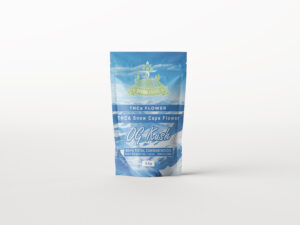
Another popular method is through THCA-rich tinctures or oils, which are typically made by extracting THCA from cannabis using a carrier oil. These tinctures can be taken sublingually, allowing for quick absorption into the bloodstream. It’s important to start with a low dose and gradually increase it as needed, as individual responses to cannabinoids can vary significantly. Always follow the manufacturer’s guidelines and consult with a healthcare professional if unsure about dosing.
For those who prefer edibles, THCA-infused products such as gummies or capsules are widely available. These products provide a convenient and discreet way to consume THCA, although they may take longer to take effect compared to other methods. Regardless of the consumption method, it’s crucial to be mindful of legal regulations, dosage, and personal tolerance levels. Keeping a journal to track experiences and effects can also be beneficial for understanding how THCA interacts with your body.
Where to find THCA products in Tennessee
As the demand for THCA products continues to grow in Tennessee, several retail outlets and online stores have emerged to cater to consumers. Local dispensaries that specialize in hemp-derived products often carry a variety of THCA options, including tinctures, edibles, and raw cannabis. These establishments typically prioritize quality and transparency, providing consumers with lab-tested products that meet safety standards. Visiting local dispensaries allows consumers to consult knowledgeable staff who can help guide them in selecting the right products for their needs.
In addition to physical dispensaries, online retailers have become increasingly popular for sourcing THCA products. Shopping online offers the convenience of exploring a broader range of products and reading customer reviews. Many reputable online vendors provide detailed product descriptions, including cannabinoid profiles and usage recommendations. It’s essential to choose trusted vendors that prioritize quality and transparency, ensuring that their products are sourced from responsible growers and undergo rigorous testing.
Community events, farmers’ markets, and wellness fairs also serve as excellent venues for discovering THCA products. These gatherings often feature local producers who showcase their offerings, allowing consumers to learn more about the products and meet the people behind them. Engaging with the community can foster connections and provide insights into the best products available. Whether through local dispensaries, online shops, or community events, finding THCA products in Tennessee has become more accessible than ever.
The future of THCA in Tennessee
The future of THCA in Tennessee looks promising, driven by ongoing research, evolving consumer demand, and a rapidly changing legal landscape. As more studies emerge highlighting the potential health benefits of THCA, the interest in this cannabinoid is likely to continue to grow. Researchers are increasingly focused on understanding THCA’s mechanisms and effects, which could pave the way for new therapeutic applications. This growing body of evidence may further legitimize THCA within the health and wellness community, encouraging more individuals to explore its potential benefits.
Furthermore, as consumers become more educated about cannabinoids and their diverse applications, the market for THCA products is expected to expand. Innovative product development is likely to take center stage, with manufacturers creating a wider variety of THCA-rich offerings, including infused foods, beverages, and topicals. This diversification will cater to a broader audience, making it easier for consumers to incorporate THCA into their daily routines and wellness practices.
Lastly, as legislation surrounding cannabis continues to evolve, there may be opportunities for the commercialization of THCA and other cannabinoids in Tennessee. Advocacy efforts pushing for broader cannabis reform could lead to more inclusive regulations, promoting further research and development in the industry. As the landscape shifts, THCA has the potential to become a staple in the wellness market, contributing to the overall growth of the cannabis sector in Tennessee.
Risks and precautions of using THCA
While THCA offers many potential benefits, it is essential to approach its use with caution and awareness of possible risks. One of the primary concerns is the lack of extensive research on the long-term effects of THCA consumption. Although preliminary studies are promising, more comprehensive clinical trials are needed to fully understand its safety profile and potential interactions with other medications. Individuals considering THCA should consult with healthcare professionals, especially if they are taking other medications or have pre-existing health conditions.
Another consideration is the quality and purity of THCA products. As the market expands, so does the risk of encountering low-quality or contaminated products. It is crucial to purchase THCA from reputable sources that provide transparency regarding their cultivation and extraction processes. Lab testing results should be readily available, ensuring that products are free from harmful contaminants such as pesticides, heavy metals, and molds. Being informed about product sourcing and quality is essential to minimize potential health risks.
Lastly, while THCA is non-intoxicating, individual responses to cannabinoids can vary significantly. Some users may experience mild side effects such as digestive discomfort or allergic reactions. It is advisable to start with a low dose and monitor the body’s response before increasing consumption. Keeping a journal of experiences can help individuals identify any adverse effects or sensitivities to THCA. By being informed and cautious, consumers can enjoy the potential benefits of THCA while minimizing risks.
Conclusion
The exciting rise of THCA in Tennessee represents a significant shift in the perception and utilization of cannabis-derived compounds. With its unique properties and potential health benefits, THCA is carving out a niche in the wellness industry, appealing to those seeking natural alternatives for various health conditions. The evolving legal landscape and increased consumer awareness have paved the way for a burgeoning market, allowing individuals to access THCA products safely and responsibly.
As research continues to uncover the therapeutic potential of THCA, the future looks bright for this cannabinoid. The growing interest in holistic health practices and natural remedies will likely drive further exploration into THCA’s effects and applications. By prioritizing safety, quality, and informed consumption, individuals can navigate the world of THCA while reaping its potential benefits.
Ultimately, the rise of THCA in Tennessee is not just a trend but a reflection of a broader movement towards embracing cannabis and its myriad possibilities. As more people become aware of THCA and its potential, it is essential to foster a supportive community that encourages education, responsible use, and ongoing research. The journey of THCA is just beginning, and its impact on health and wellness may be profound in the years to come.