
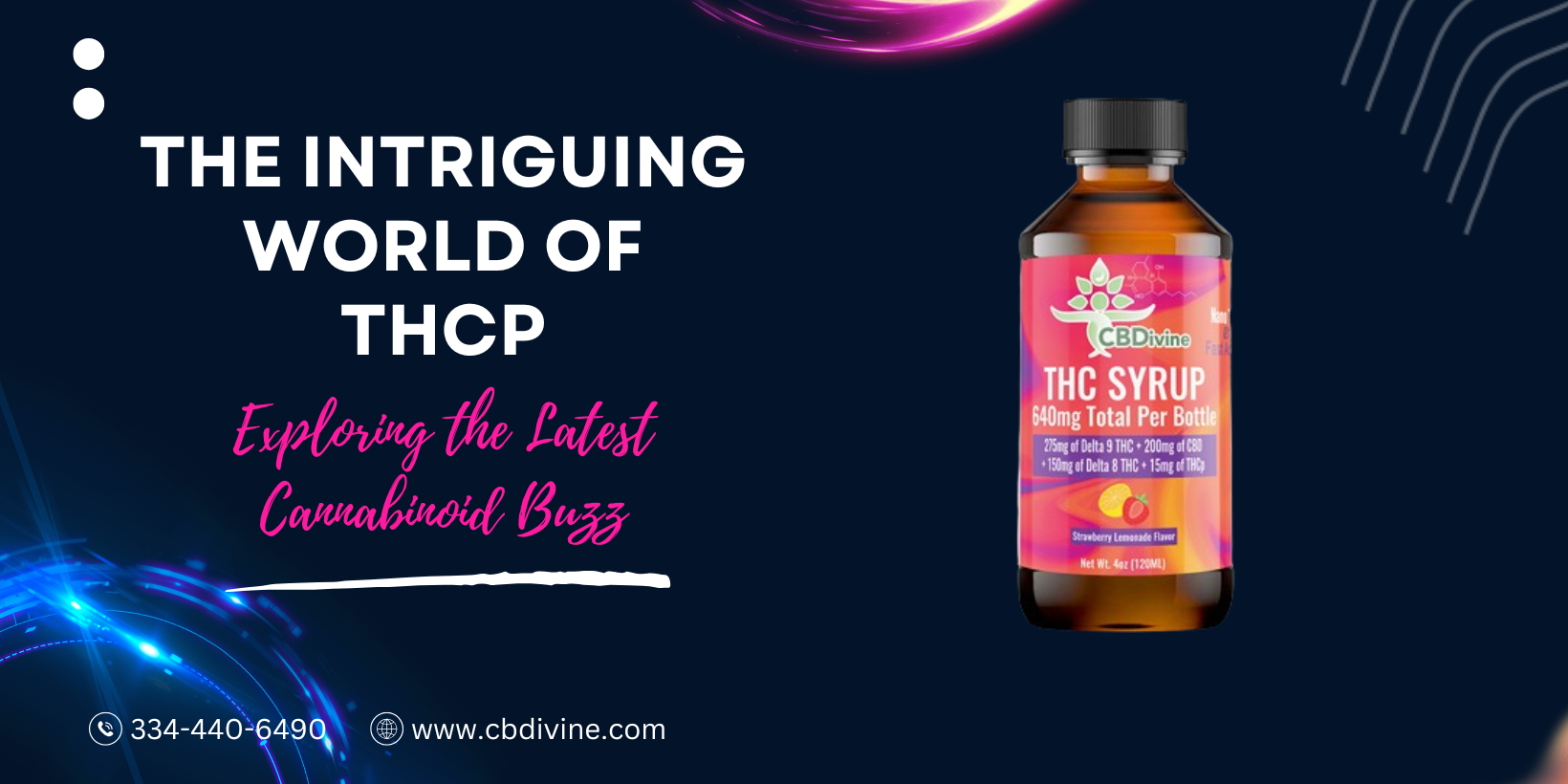
Welcome to the intriguing world of THCP, the latest buzz in the world of cannabinoids. As new research emerges in the field of cannabis, scientists have discovered a fascinating and potentially powerful compound – THCP (Tetrahydrocannabiphorol).
THCP, similar to THC (Tetrahydrocannabinol), is a cannabinoid found in cannabis plants. However, what sets THCP apart is its unique structure, which may result in stronger psychoactive effects compared to THC. Excitingly, THCP has shown to bind with the CB1 receptors in our body, similar to THC, but with a greater affinity.
While the research is still in its early stages, and much remains to be discovered, the potential of THCP has sparked curiosity and excitement within the scientific community and cannabis enthusiasts alike. Could this compound hold the key to more potent therapeutic applications, or even the development of new strains with increased potency?
In this article, we delve into the fascinating world of THCP, exploring its origins, effects, potential benefits, and any potential risks. Join us as we uncover the latest insights into this exciting cannabinoid. Whether you’re a cannabis enthusiast or simply curious about the latest developments in the world of cannabinoids, this article is for you. Let’s quench our curiosity and explore the captivating world of THCP!
What is THCP and how is it different from other cannabinoids?
THCP, or Tetrahydrocannabiphorol, is a recently discovered cannabinoid that has garnered significant attention in the cannabis community. It is structurally similar to THC, the well-known psychoactive compound in cannabis. However, THCP possesses a unique molecular structure that includes a longer alkyl side chain. This structural difference is believed to enhance its binding affinity for cannabinoid receptors in the human endocannabinoid system, particularly the CB1 receptor, which is primarily responsible for the psychoactive effects associated with cannabis use. The discovery of THCP has opened new avenues for understanding the complex interactions of cannabinoids within the body.
One of the most intriguing aspects of THCP is its potential potency. Preliminary studies suggest that THCP may be up to 30 times more potent than THC, making it a compelling subject of research for both therapeutic applications and recreational use. The strength of its psychoactive effects could lead to different experiences and therapeutic outcomes compared to traditional THC. This could mean that even smaller doses of THCP may produce stronger effects, indicating a need for careful consideration when it comes to dosage and consumption methods.
Moreover, THCP is not the only cannabinoid making waves; the cannabis plant is home to over 100 different cannabinoids, including CBD, CBG, and CBN. Each cannabinoid interacts with the endocannabinoid system in unique ways. For instance, while THC is primarily known for its psychoactive effects, CBD is celebrated for its non-intoxicating properties and potential therapeutic benefits. THCP adds another layer to this complex interaction, suggesting that the future of cannabinoid therapies could be more nuanced and individualized as we learn more about each compound’s properties and effects.
The potential benefits of THCP
The potential benefits of THCP are an exciting area of exploration for researchers and cannabis enthusiasts alike. Early indications suggest that THCP could have a range of therapeutic applications, particularly in pain management and inflammation reduction. Due to its high potency, THCP may offer effective relief for patients who do not respond well to traditional THC or other cannabinoids. This could be particularly significant for individuals suffering from chronic pain conditions, as they often require higher doses of cannabinoids to achieve the desired effects.
Additionally, THCP’s interaction with the endocannabinoid system may extend beyond pain relief. There is growing interest in its potential anxiolytic and anti-depressant properties. Similar to THC, THCP may provide mood-enhancing effects; however, its increased potency could mean that it offers these benefits with lower dosages. This could be particularly beneficial for those looking for alternatives to conventional pharmaceuticals for anxiety and depression treatment, which often come with significant side effects and dependency risks.
Furthermore, the enhanced binding affinity of THCP for cannabinoid receptors raises the possibility of more effective formulations for medical use. Researchers are optimistic that THCP could contribute to the development of new cannabis strains or products tailored for specific medical conditions. As the understanding of THCP’s effects deepens, it may lead to innovative therapies that harness the cannabinoid’s unique properties to address a variety of health issues, expanding the therapeutic potential of cannabis overall.
Current research on THCP
Research on THCP is still in its infancy, but early findings have set the stage for a deeper investigation into its properties and potential applications. The initial studies that identified THCP were conducted by a team of Italian researchers who published their findings in the journal “Nature.” This groundbreaking research not only isolated THCP but also examined its interaction with the endocannabinoid system, highlighting its strong binding affinity to CB1 receptors. Such studies lay the groundwork for future explorations into the pharmacology of this cannabinoid.
As researchers continue to investigate THCP, they are also looking into its potential therapeutic benefits, including its effects on pain, inflammation, and mood disorders. Current research efforts are focused on understanding the mechanisms by which THCP exerts its effects, the appropriate dosing strategies, and any potential side effects associated with its use. Understanding these aspects is crucial for determining safe and effective applications for THCP, particularly in medical contexts.
In addition to its psychoactive effects, researchers are also exploring how THCP may interact with other cannabinoids and compounds found in the cannabis plant. The entourage effect, which suggests that the various components of cannabis work together synergistically to enhance therapeutic effects, is an area of significant interest. By studying THCP in combination with other cannabinoids, researchers hope to uncover new formulations that maximize the benefits of cannabis for patients and consumers alike.
Legal status and regulations surrounding THCP
The legal status of THCP is complex and varies significantly by region. In many places, the legal framework surrounding cannabis and cannabinoids is evolving, often lagging behind scientific discoveries. In the United States, for instance, cannabinoids derived from hemp, including THCP, are often considered legal under the 2018 Farm Bill, provided they contain less than 0.3% THC. However, the legality of THCP specifically can be murky, as it may fall into a gray area that requires further clarification from regulatory bodies.
Internationally, the legal status of THCP varies widely. In countries where cannabis is fully legalized, such as Canada and certain European nations, THCP may be treated similarly to other cannabinoids, allowing for its cultivation, sale, and use. Conversely, in countries with strict cannabis prohibitions, any cannabinoid derived from the plant, including THCP, may be illegal, regardless of its psychoactive properties. This patchwork of regulations creates challenges for researchers, manufacturers, and consumers alike.
The evolving legal landscape surrounding THCP also highlights the importance of clear regulations and guidelines. As research continues to uncover the potential benefits and risks associated with THCP, it is essential for lawmakers to consider these findings when developing cannabis policies. Clear regulations will not only help protect consumers but also foster an environment conducive to scientific research and product development, ultimately benefiting both the cannabis industry and its users.
How to consume THCP safely and responsibly
As with any cannabinoid, consuming THCP safely and responsibly is paramount to ensuring a positive experience. Given its potential potency, it is crucial for users to approach THCP with caution, particularly if they are new to cannabinoids. Beginners should start with a low dose to assess their individual tolerance and response. Since THCP may be significantly more potent than THC, even small amounts may produce strong effects, making it essential to gauge personal limits before increasing dosage.
Users should also consider the method of consumption when using THCP. Various methods exist, including smoking, vaporizing, edibles, and tinctures, each with its own onset time and duration of effects. For example, inhalation methods typically result in quicker effects, while edibles can take longer to kick in but may produce more prolonged effects. Understanding these differences can help users make informed choices about how to consume THCP based on their desired experience and comfort level.

Moreover, individuals should be mindful of their environment and mental state when consuming THCP. It is advisable to use THCP in a safe and comfortable setting, especially for those who may be more sensitive to its effects. Staying hydrated, having a trusted friend present, and avoiding activities that require full attention, like driving, are also important considerations. By prioritizing safety and mindfulness, users can enjoy the unique effects of THCP while minimizing potential risks.
THCP vs CBD: Understanding the differences
THCP and CBD (Cannabidiol) are two cannabinoids that have garnered significant attention, yet they differ markedly in their effects, legality, and applications. While THCP is primarily recognized for its psychoactive properties and potential potency, CBD is celebrated for its non-intoxicating nature and a wide range of therapeutic benefits. Understanding the differences between these two cannabinoids can help consumers make informed choices based on their individual needs and preferences.
One of the primary distinctions between THCP and CBD is their interaction with cannabinoid receptors. THCP binds strongly to the CB1 receptors in the brain, leading to psychoactive effects similar to THC. In contrast, CBD has a much lower affinity for CB1 receptors and does not produce a “high.” Instead, CBD is known for its calming properties and potential benefits for anxiety, inflammation, and seizures. This foundational difference means that THCP may be more suitable for those seeking a psychoactive experience, while CBD is often preferred by individuals looking for therapeutic effects without intoxication.
Additionally, the legal status of THCP and CBD can vary significantly. While CBD derived from hemp is generally legal in many regions, THCP’s legality may be less clear, especially in places where cannabis regulations are strict. As the legal landscape continues to evolve, consumers should remain informed about the regulations surrounding each cannabinoid to ensure compliance and safety. By understanding the unique properties and legal considerations of THCP and CBD, consumers can choose products that align with their personal health goals and lifestyle.
THCP products and brands to watch out for
As the interest in THCP grows, several brands are beginning to develop products that feature this intriguing cannabinoid. While the market is still emerging, some companies are leading the charge in providing consumers with quality THCP-infused products. These offerings often include oils, edibles, and vape cartridges, allowing users to explore the unique effects of THCP in various forms. When selecting THCP products, consumers should prioritize brands that provide transparency in their sourcing, manufacturing processes, and third-party lab testing results.
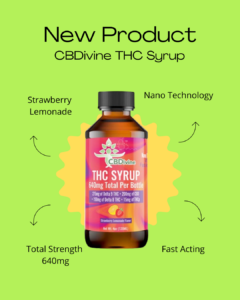
One notable brand making waves in the THCP market is CBDivine, known for its innovative approach to cannabinoid products. CBDivine offers a range of THCP-infused items, including vape cartridges and syrups, designed to deliver a potent experience. Their commitment to quality and safety has earned them a reputation among cannabis enthusiasts, making them a go-to option for those looking to explore THCP.
The future of THCP: Potential developments and applications
The future of THCP appears promising, with researchers and industry experts excited about the potential developments and applications of this cannabinoid. As studies continue to unveil its properties and effects, there is potential for THCP to play a significant role in the evolution of cannabis-based therapies. With its notable potency and unique interaction with the endocannabinoid system, THCP could lead to the development of specialized products aimed at addressing specific medical conditions, including chronic pain, anxiety, and other mood disorders.
Moreover, the growing interest in THCP may inspire further research into the pharmacological properties of lesser-known cannabinoids. Cannabis is a complex plant with a myriad of compounds, and THCP’s discovery has opened the door to investigating how these cannabinoids work together. Future studies could explore the entourage effect, allowing scientists to develop more effective formulations that combine THCP with other cannabinoids for enhanced therapeutic benefits.
Additionally, as consumer demand for innovative cannabinoid products increases, we can expect to see more brands entering the THCP market. This growth could lead to the development of new consumption methods and product types, making THCP more accessible to consumers. As regulations surrounding cannabis continue to evolve, the future landscape of THCP and its applications will likely become clearer, paving the way for a new era of cannabinoid exploration and use.
Conclusion: The promise and potential of THCP
In conclusion, THCP represents a fascinating development in the world of cannabinoids, showcasing the complexity and potential of the cannabis plant. With its unique structure, enhanced potency, and interaction with the endocannabinoid system, THCP could offer new therapeutic options for individuals seeking relief from various health conditions. As research continues to unfold, we are likely to gain a deeper understanding of THCP’s effects, benefits, and potential risks.
The journey of THCP is just beginning, and as the scientific community delves into its properties, consumers can look forward to a future filled with innovative products and formulations. The promise of THCP extends beyond mere psychoactive effects; it may well hold the key to unlocking more effective cannabis therapies that cater to individual needs.
As we navigate this intriguing world of cannabinoids, it is essential to prioritize safety and responsible consumption. With the growing interest in THCP, consumers should remain informed about product quality, legal status, and the latest research findings. By doing so, we can embrace the potential of THCP while ensuring a positive and safe experience in the ever-evolving landscape of cannabis.