Unveiling the science behind THCA flowers sheds light on the true potency and potential benefits of these fascinating cannabis strains. THCA, or tetrahydrocannabinolic acid, is a non-psychoactive compound found in raw cannabis plants that holds tremendous therapeutic value. Understanding the science behind THCA flowers is essential for both medical patients and recreational users looking to make informed choices about their cannabis consumption.
In this article, we will delve deep into the mechanisms of THCA, exploring its conversion into the well-known psychoactive cannabinoid THC and its potential health benefits. We’ll explore how THCA interacts with the body’s endocannabinoid system to promote overall wellness, including reducing inflammation, relieving pain, and even potentially inhibiting the growth of cancer cells.
By uncovering the science of THCA flowers, we aim to empower readers to make educated decisions about their cannabis use and explore the potential benefits of this remarkable compound. Whether you’re a cannabis enthusiast or a newcomer to the world of medicinal plants, this article will provide crucial insights into THCA’s potency and its potential to enhance your well-being.
What is THCA and its role in cannabis
Tetrahydrocannabinolic acid, or THCA, is a naturally occurring compound found in the cannabis plant. It is the precursor to THC, the psychoactive component that produces the euphoric “high” commonly associated with cannabis use. However, THCA itself does not have psychoactive properties, making it a unique and intriguing compound for those interested in the therapeutic aspects of cannabis without the intoxicating effects. THCA is primarily found in raw, unheated cannabis flowers, as it undergoes a process known as decarboxylation when exposed to heat, converting into THC.
The role of THCA in cannabis is significant, not only in terms of its chemical structure but also regarding its potential health benefits. As a cannabinoid, THCA interacts with the body’s endocannabinoid system (ECS), which plays a crucial role in maintaining homeostasis and regulating various physiological processes such as mood, appetite, and pain perception. Research suggests that THCA may exhibit anti-inflammatory, neuroprotective, and anti-nausea properties, making it an appealing option for medical patients seeking relief from various ailments.
Understanding THCA’s role in cannabis opens up new avenues for both medical and recreational users. By recognizing the unique properties of THCA, individuals can make informed decisions about their cannabis consumption. As more research emerges, the potential of THCA as a therapeutic compound continues to gain attention, highlighting its importance in the broader discussion of cannabis and its applications in health and wellness.
Understanding the science behind THCA flowers
The science behind THCA flowers begins with the cannabis plant’s biochemistry. Cannabis contains a variety of cannabinoids, terpenes, and flavonoids that contribute to its unique effects and potential benefits. THCA is one of the primary cannabinoids present in raw cannabis and is synthesized in the plant through a series of enzymatic reactions. As the plant matures, THCA is produced in the trichomes, specialized glandular structures that protect the plant and store its cannabinoids.

When cannabis is heated—whether through smoking, vaping, or cooking—the THCA undergoes decarboxylation, losing a carbon dioxide molecule and transforming into THC. This process is vital for those seeking the psychoactive effects of cannabis. However, preserving THCA in its raw form has garnered interest for its potential therapeutic applications. By consuming THCA flowers without heating, users can benefit from the compound’s therapeutic properties without experiencing the high associated with THC.
Research into THCA has revealed its potential to interact with the body’s endocannabinoid system in unique ways. While THC binds primarily to the CB1 receptors in the brain, THCA appears to have a more complex interaction with both CB1 and CB2 receptors. This distinction may account for the non-psychoactive nature of THCA and its potential therapeutic effects. Understanding these mechanisms is crucial for harnessing the full benefits of THCA flowers and enables users to make informed choices regarding their cannabis consumption.
How THCA flowers are different from other cannabis products
THCA flowers are distinct from other cannabis products in several ways, primarily due to their chemical composition and the methods of consumption. Unlike traditional cannabis products that are often heated and converted into THC, THCA flowers retain their non-psychoactive properties, allowing users to experience the benefits of cannabis without the intoxication. This characteristic makes THCA flowers appealing to a broader audience, including those who may be sensitive to THC or are seeking therapeutic benefits without the high.
Another significant difference lies in the cultivation and processing of THCA flowers. These flowers are typically harvested from specific cannabis strains that are bred to produce higher levels of THCA. After harvesting, the flowers are carefully handled to preserve their chemical integrity and prevent decarboxylation. This contrasts with many cannabis products that undergo extensive processing, such as oils, edibles, and concentrates, which often involve heat application that converts THCA to THC.
The diversity of cannabis products also includes those that combine THCA with other cannabinoids and terpenes, creating a full-spectrum experience. While some users may prefer the psychoactive effects of THC, others may gravitate towards THCA flowers for their potential therapeutic benefits. This differentiation in product offerings allows consumers to tailor their cannabis experience to meet their specific needs, whether for relaxation, pain relief, or general wellness.
The potential benefits of THCA flowers
The potential benefits of THCA flowers are a focal point of interest among cannabis users and researchers alike. One of the most notable advantages of THCA is its anti-inflammatory properties, which can be beneficial for individuals suffering from conditions such as arthritis or other inflammatory diseases. By interacting with the endocannabinoid system, THCA may help reduce inflammation and alleviate pain, making it an attractive option for those seeking natural pain relief.
Additionally, preliminary studies suggest that THCA may possess neuroprotective qualities. This means it could potentially protect nerve cells from damage, which is particularly relevant for neurodegenerative diseases such as Alzheimer’s and Parkinson’s. The ability of THCA to support brain health makes it a compound worth exploring for individuals concerned about cognitive decline or those seeking preventive measures against neurodegenerative conditions.
Another promising area of research involves THCA’s potential anti-cancer properties. Early studies have indicated that THCA may inhibit the growth of certain cancer cells, although further research is needed to fully understand its efficacy and mechanisms. For patients undergoing chemotherapy, THCA may also offer anti-nausea effects, providing relief from one of the most distressing side effects of cancer treatment. As research continues to evolve, the potential benefits of THCA flowers could play a significant role in shaping future therapeutic applications within the cannabis industry.
THCA flowers and their impact on the endocannabinoid system
The endocannabinoid system (ECS) is a complex network of receptors, endocannabinoids, and enzymes that plays a vital role in regulating various bodily functions. THCA flowers interact with this system, albeit differently than THC. While THC primarily binds to the CB1 receptors in the brain, influencing mood and perception, THCA exhibits a more nuanced relationship with both CB1 and CB2 receptors, which are found throughout the body.
The interaction between THCA and the ECS may contribute to its potential therapeutic effects. For instance, THCA’s anti-inflammatory properties can be attributed to its ability to modulate immune responses via the CB2 receptors. This interaction may help reduce inflammation and alleviate pain without inducing the psychoactive effects typically associated with THC. As such, THCA flowers present a unique option for patients seeking relief from chronic pain or inflammatory conditions without the cognitive side effects of THC.
Moreover, the non-psychoactive nature of THCA allows for a more versatile approach to cannabis consumption. Users can engage with cannabis therapeutically during the day without the impairment that THC may cause. This aspect is particularly appealing for those who need to maintain focus and productivity while still benefiting from the therapeutic properties of cannabis. By understanding how THCA interacts with the ECS, users can make more informed decisions about their cannabis consumption and tailor their experiences to suit their needs.
The potency of THCA flowers and how it is measured
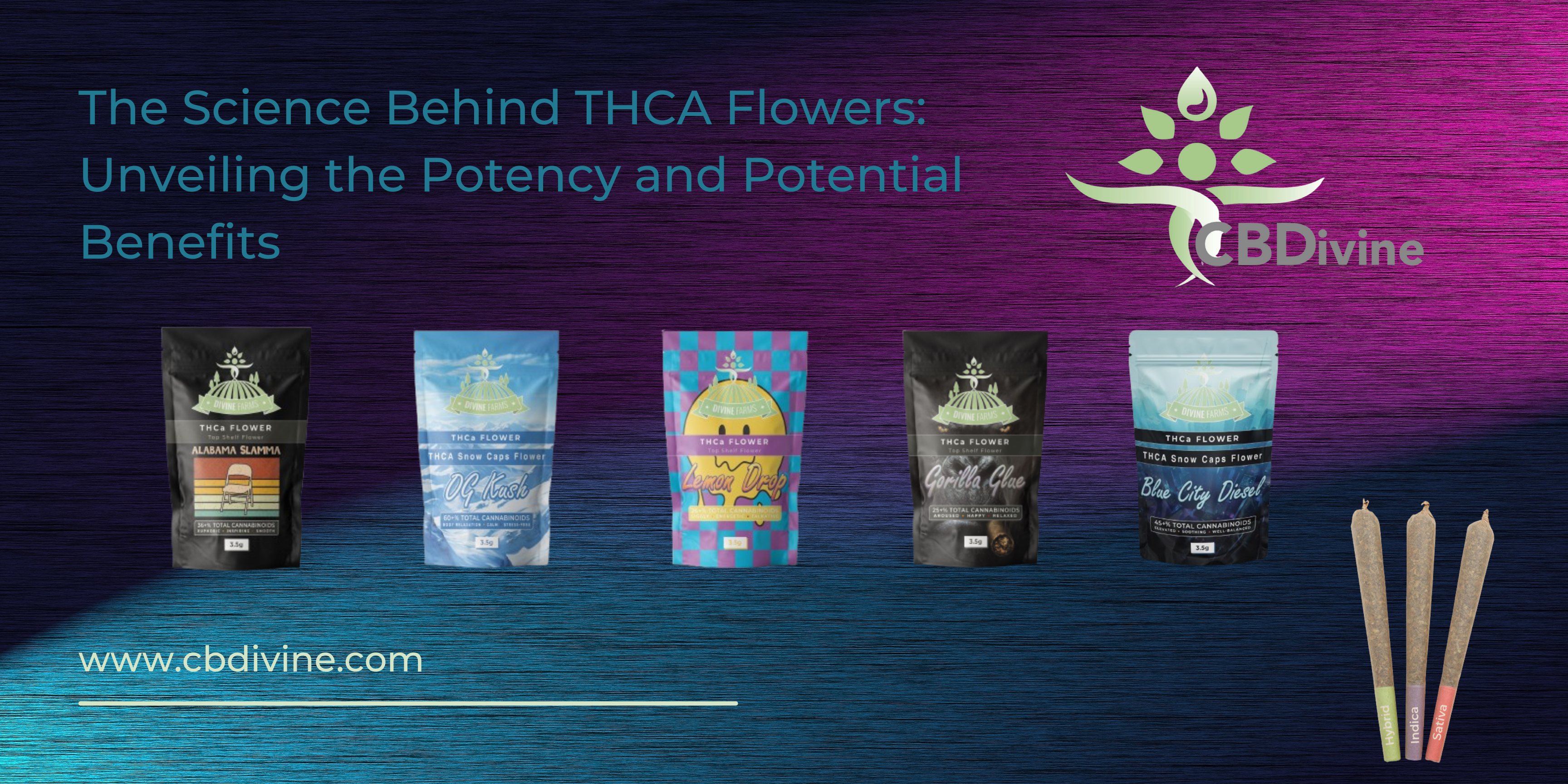
The potency of THCA flowers is an essential factor for consumers to consider when selecting cannabis products. Potency is typically measured in terms of cannabinoid concentration, expressed as a percentage of THCA present in the flower. This measurement can greatly influence the efficacy of the product and its potential therapeutic benefits. Higher concentrations of THCA may offer more pronounced effects, which can be particularly important for medical patients seeking specific relief from their conditions.
To accurately assess the potency of THCA flowers, laboratory testing is conducted to determine cannabinoid profiles. These tests measure not only the concentration of THCA but also the presence of other cannabinoids, terpenes, and flavonoids that contribute to the flower’s overall effect. Understanding the cannabinoid profile of THCA flowers can help consumers select strains that align with their therapeutic goals, whether they are seeking pain relief, anti-inflammatory effects, or other benefits.
It’s also important to note that, as THCA is a precursor to THC, the potency of THCA flowers can change if they are heated. Consumers should be aware that decarboxylation will convert THCA into THC, altering the potency and effects of the product. Therefore, those interested in the specific benefits of THCA should focus on raw, unheated flowers. By understanding how potency is measured and its implications for consumption, individuals can make informed choices and optimize their cannabis experience.
Methods of consuming THCA flowers
There are several methods for consuming THCA flowers, each offering unique benefits and experiences. One of the most common ways to consume THCA flowers is through raw consumption. This involves eating the flowers directly or incorporating them into smoothies or salads. By consuming THCA in its raw form, users can experience the potential therapeutic benefits without any psychoactive effects. This method is particularly appealing for those who want to integrate cannabis into their wellness routine without the high.
Another popular method involves juicing THCA flowers. Juicing allows for the extraction of beneficial compounds while preserving their non-psychoactive properties. This method is gaining traction among health-conscious individuals who wish to harness the benefits of cannabis in a nutritious and refreshing way. Juicing THCA flowers can provide a concentrated dose of cannabinoids, vitamins, and minerals, making it a powerful addition to a balanced diet.
For those who prefer inhalation methods, vaporizing THCA flowers is another option. Vaporization heats the flowers to a temperature that releases the cannabinoids without combustion, which can preserve the integrity of THCA. This method allows users to enjoy the benefits of THCA while minimizing the harmful effects associated with smoking. As the popularity of THCA flowers continues to rise, exploring various consumption methods can help individuals find the approach that best suits their lifestyle and therapeutic needs.
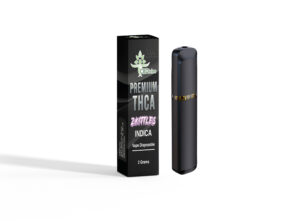
Tips for purchasing and storing THCA flowers
When purchasing THCA flowers, quality should be a top priority. It is vital to source flowers from reputable dispensaries or growers that provide lab testing results. These results should confirm the cannabinoid profile, ensuring that the product contains a high concentration of THCA while also being free from harmful contaminants such as pesticides or heavy metals. Reading customer reviews and seeking recommendations can also help ensure a positive purchasing experience.
Another important consideration is the strain of THCA flowers. Different strains may offer varying effects and benefits due to their unique cannabinoid and terpene profiles. It is advisable to research specific strains and their potential therapeutic properties to find one that aligns with individual health goals. Additionally, dispensaries often provide knowledgeable staff who can offer guidance on selecting the right strain based on desired effects and intended use.
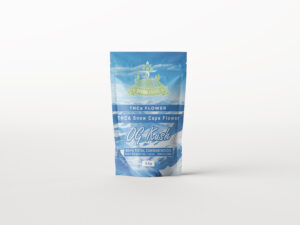
Once purchased, proper storage of THCA flowers is essential to maintain their potency and flavor. To preserve the integrity of THCA, flowers should be stored in an airtight container in a cool, dark place, away from direct sunlight and humidity. Glass jars with airtight seals are ideal for maintaining freshness. Avoiding exposure to heat and light is crucial, as these elements can lead to the decarboxylation of THCA into THC, altering the product’s effects. By following these tips, consumers can ensure that their THCA flowers remain potent and effective.
Research and studies on the medicinal properties of THCA flowers
Research into the medicinal properties of THCA flowers is still in its infancy, but early studies are promising. Several clinical and preclinical studies have explored the therapeutic potential of THCA, particularly regarding its anti-inflammatory and neuroprotective effects. For instance, some studies indicate that THCA may inhibit the production of inflammatory cytokines, which play a significant role in various inflammatory conditions. This suggests that THCA could be a valuable option for individuals suffering from chronic pain or autoimmune disorders.
Additionally, research has indicated that THCA may have potential anti-cancer properties. Laboratory studies have shown that THCA can inhibit the growth of certain cancer cells, although more extensive clinical trials are necessary to establish its efficacy and mechanisms of action. Given the rising interest in cannabis as a complementary treatment for cancer patients, further investigations into THCA’s potential in this area are warranted.
Furthermore, studies examining the effects of THCA on nausea and appetite stimulation are gaining traction, particularly in the context of cancer treatment and other medical conditions that cause nausea or loss of appetite. While these studies are still preliminary, they highlight the potential therapeutic applications of THCA flowers and the need for more research to fully understand their benefits and implications for patient care.
Conclusion: The future of THCA flowers in the cannabis industry
The future of THCA flowers in the cannabis industry looks promising as more consumers and researchers recognize their unique properties and potential benefits. As interest in cannabis continues to grow, so too does the demand for non-psychoactive options that can provide therapeutic relief without the intoxicating effects of THC. This shift in consumer preferences is likely to drive further research into THCA and its applications in health and wellness.
With the ongoing legalization and normalization of cannabis, it is expected that more dispensaries will begin to stock a variety of THCA-rich strains and products. This increased availability will enable consumers to explore the benefits of THCA flowers and tailor their cannabis experiences to their individual needs. As public awareness of the potential therapeutic properties of THCA grows, it may also lead to greater acceptance and integration of cannabis into mainstream medicine.
In conclusion, the exploration of THCA flowers represents an exciting frontier in the cannabis industry. As research continues to unveil the science behind this remarkable compound, consumers will be empowered to make informed choices about their cannabis use. The potential benefits of THCA flowers offer a new perspective on the therapeutic applications of cannabis, paving the way for a future where cannabis is recognized not only for its psychoactive effects but also for its remarkable healing properties.