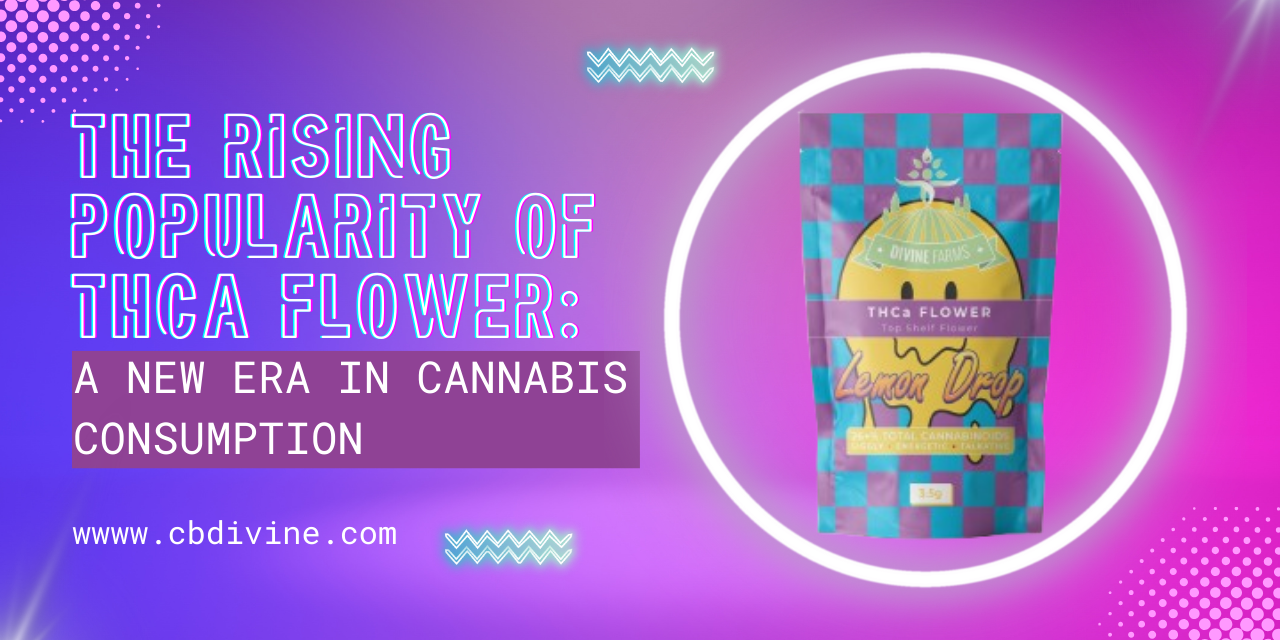
With the increasing legalization of cannabis products, a new era in cannabis consumption has emerged, and at the forefront is the rising popularity of THCA flower. As more individuals seek alternative methods to enjoy the benefits of cannabis, THCA flower has gained significant attention for its unique properties.
Derived from the raw and unheated form of cannabis, THCA (tetrahydrocannabinolic acid) offers a non-psychoactive experience, making it an appealing choice for those who want to avoid the intoxicating effects typically associated with THC (tetrahydrocannabinol).
The surge in popularity can be attributed to its potential health benefits, including anti-inflammatory and neuroprotective properties. Moreover, THCA flower is known for its versatility, allowing users to consume it in various ways such as vaporizing, ingesting, or using it as a topical.
As the demand for THCA flower continues to grow, more cultivators are focusing on producing high-quality strains to meet the market’s needs. With the potential to enhance overall wellness without the traditional cannabis “high”, the rise of THCA flower signifies a new wave in cannabis consumption that is both socially acceptable and therapeutic.
THCA, or tetrahydrocannabinolic acid, is a naturally occurring compound found in raw cannabis plants. It is the precursor to THC, the well-known psychoactive component responsible for the “high” associated with cannabis use. THCA is non-psychoactive, meaning it does not produce the intoxicating effects that THC does when consumed. This fundamental distinction makes THCA an appealing option for individuals who seek the therapeutic benefits of cannabis without the alterations in perception or cognitive function associated with THC consumption.
The primary difference between THCA and THC lies in their chemical structure and the process of decarboxylation. THCA is an acidic form that requires heat to convert into THC. When cannabis is smoked, vaporized, or cooked, the heat triggers this chemical transformation. As a result, consuming raw cannabis or THCA flower allows individuals to experience the potential benefits of cannabis without experiencing the psychoactive effects that come from THC. This unique property has contributed to the growing interest in THCA flower, especially among those who are more health-conscious or prefer to avoid intoxication.
Furthermore, the legality of THCA flower varies depending on local laws surrounding cannabis. In many jurisdictions where cannabis is legalized, THCA products are also permitted, often viewed as a separate category from traditional THC products. Consumers should remain informed about the legal status of THCA in their area, as this could influence their choices and access to these products. As the cannabis industry evolves, the distinctions between THCA and THC are likely to become more significant, appealing to a wider audience seeking alternative cannabis consumption methods.
The consumption of THCA flower offers a plethora of potential health benefits that are garnering attention in the wellness community. One of the most notable advantages is its anti-inflammatory properties. Research suggests that THCA may interact with the body’s endocannabinoid system, potentially helping to reduce inflammation and alleviate conditions such as arthritis, chronic pain, and other inflammatory diseases. This quality makes THCA flower particularly appealing to those seeking relief from discomfort without the psychoactive effects of THC.
In addition to its anti-inflammatory effects, THCA is believed to possess neuroprotective properties. Preliminary studies indicate that THCA may help protect brain cells from damage and could be beneficial in managing neurodegenerative diseases such as Alzheimer’s and Parkinson’s. This emerging research is encouraging for those looking for natural alternatives to traditional pharmaceuticals, as it underscores the potential of THCA as a therapeutic option for maintaining cognitive health and overall well-being.
Moreover, THCA flower is rich in other cannabinoids and terpenes, which can work synergistically to enhance its benefits. This phenomenon, known as the “entourage effect,” suggests that the various compounds found in cannabis can interact to create a more comprehensive therapeutic experience. By consuming THCA flower, individuals may benefit from a range of cannabinoids and terpenes that contribute to its overall efficacy, making it a versatile choice for those exploring cannabis for health purposes.
The scientific exploration of THCA is still in its infancy, but researchers are beginning to unravel the compound’s potential health effects. One of the most compelling areas of research involves the compound’s interaction with the endocannabinoid system (ECS), a complex network of receptors and neurotransmitters that plays a crucial role in regulating various physiological processes, including pain, mood, and immune response. THCA is thought to interact with the ECS differently than THC, possibly offering a therapeutic profile that is free from psychoactive effects.
Studies have shown that THCA has the potential to exhibit anti-inflammatory and anti-emetic effects. For example, some research indicates that THCA may be beneficial in reducing nausea and vomiting, which can be particularly helpful for patients undergoing chemotherapy or those suffering from gastrointestinal disorders. By providing relief from these symptoms without the high associated with THC, THCA presents a valuable option for individuals seeking comfort and stability in their daily lives.
Moreover, preliminary research has indicated that THCA may possess anti-proliferative properties, meaning it could inhibit the growth of certain cancer cells. While this area of study is still developing, the early findings suggest that THCA could have a place in future cancer therapies, offering a natural alternative for patients looking for supportive treatments to complement their conventional care. As more research is conducted, the scientific community may uncover additional health effects associated with THCA, solidifying its role in the realm of medicinal cannabis.
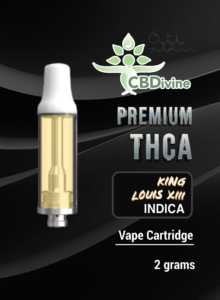
There are several methods to consume THCA flower, each offering distinct advantages based on individual preferences and desired effects. One of the most popular methods is vaporization, which involves heating the flower to a temperature that releases the active compounds without combusting the plant material. This method is preferred by many users because it provides a smoother inhalation experience and allows for the preservation of THCA’s beneficial properties. Vaporizing THCA flower can deliver quick relief and is a discreet option for those who want to consume cannabis without the strong odor associated with smoking.
Another common method for consuming THCA flower is through edibles. Users can incorporate raw THCA flower into their cooking, blending it into smoothies, salad dressings, or other dishes. This method allows for a more prolonged and subtle onset of effects, as the body metabolizes the THCA during digestion. However, it is essential to note that THCA must be consumed in its raw form to retain its non-psychoactive properties; cooking the flower at high temperatures will convert it into THC, which could lead to unexpected psychoactive effects.
Topical applications also offer a unique way to experience THCA’s potential health benefits. Users can create infused oils or balms from THCA flower, applying them directly to the skin for localized relief. This method is particularly useful for addressing inflammation, pain, and skin conditions without the need for ingestion. By utilizing THCA in topical formulations, individuals can enjoy its therapeutic potential while avoiding the psychoactive effects altogether. Each of these consumption methods showcases the versatility of THCA flower, catering to various preferences and desired outcomes.
As the popularity of THCA flower continues to rise, cultivators are developing a variety of strains specifically bred to enhance THCA levels while minimizing THC conversion. Some of the most popular strains include “Hemp Flower,” which is often bred to contain high concentrations of THCA while remaining compliant with legal regulations regarding THC content. This strain is frequently sought after by those looking for a non-psychoactive experience that still offers therapeutic benefits.
Another notable strain is “Sour Tsunami,” recognized for its balanced cannabinoid profile, which includes high levels of THCA. This strain has garnered attention for its potential anti-inflammatory properties and is often recommended for individuals dealing with chronic pain or inflammation. Sour Tsunami’s unique flavor profile and aroma further contribute to its appeal, making it a favorite among consumers seeking both therapeutic effects and an enjoyable cannabis experience.
“ACDC” is another popular strain known for its exceptionally high THCA content. Often reaching THCA levels of 20% or more, ACDC is favored by those looking for relief without the intoxicating effects of THC. With its sweet, earthy flavor and potential for therapeutic benefits, ACDC has become a staple in the THCA flower market. As more strains are developed and cultivated, consumers can expect an expanding variety of options that cater to specific preferences and health needs.
Purchasing THCA flower has become increasingly accessible as more dispensaries and online retailers recognize the growing demand for non-psychoactive cannabis products. Many licensed dispensaries now offer a selection of THCA flower, often accompanied by knowledgeable staff who can help guide consumers in their choices. It is advisable to look for dispensaries that specialize in high-quality cannabis products to ensure that the THCA flower available is lab-tested for potency and purity.
Online retailers are also emerging as a convenient option for purchasing THCA flower. Numerous websites specialize in cannabis products, providing consumers with a variety of strains and consumption methods at their fingertips. When buying THCA flower online, it is crucial to verify that the retailer is reputable and compliant with local laws. Reading customer reviews and checking for third-party lab testing can help ensure that the product meets quality standards and contains the expected levels of THCA.
Additionally, some consumers may find that local hemp farms or specialty shops offer THCA flower directly to the public. These establishments may provide unique strains and products that are not available in larger dispensaries. Engaging with local cannabis communities can also lead to opportunities for discovering new sources of THCA flower. As the market continues to grow, consumers will likely find an expanding array of options for purchasing THCA flower, catering to diverse preferences and needs.
As with any cannabis product, safety considerations are paramount when it comes to THCA flower. While THCA itself is non-psychoactive, it is essential to ensure that the product is free from contaminants such as pesticides, heavy metals, and mold. Consumers should prioritize purchasing lab-tested products from reputable sources, as this can help guarantee the quality and safety of the THCA flower they consume. Additionally, those who are new to cannabis should start with small doses to assess their tolerance and avoid any adverse reactions.
The legal status of THCA flower is a critical factor to consider before purchasing or consuming it. In many regions, THCA flower is legal as it contains low levels of THC, often below the legal threshold of 0.3% that defines hemp products. However, laws can vary significantly from one jurisdiction to another, so it is crucial for consumers to stay informed about the legal landscape in their area. Understanding local regulations can help prevent legal complications and ensure that individuals are compliant with the law.
It is also important to note that while THCA flower is non-psychoactive, some individuals may still experience sensitivity or reactions to cannabis compounds. Those with pre-existing medical conditions or who are taking medications should consult with a healthcare professional before incorporating THCA flower into their wellness routine. By being mindful of safety considerations and legal status, consumers can make informed choices about using THCA flower responsibly and effectively.
When comparing THCA flower to other cannabis consumption methods, several factors come into play, including the desired effects, onset time, duration, and individual preferences. Traditional methods such as smoking or vaping THC-rich cannabis produce immediate psychoactive effects, making them suitable for those seeking quick relief from symptoms like pain or anxiety. In contrast, THCA flower offers a non-psychoactive alternative that provides potential therapeutic benefits without the cognitive impairment associated with THC.

Edibles, another popular consumption method, present a different experience altogether. While they can deliver long-lasting effects, the onset time for edibles is significantly delayed due to the digestive process. For those looking for a more immediate experience, THCA flower can be vaporized or consumed in its raw form, allowing users to feel the benefits more quickly. This difference can be crucial for patients needing rapid relief from acute symptoms, making THCA flower an appealing option.
Topical applications also stand apart from traditional consumption methods. While they provide localized relief, topical applications generally do not enter the bloodstream in the same way that inhalation or ingestion does. Therefore, THCA flower consumed through other methods may offer systemic benefits in addition to localized effects. Each consumption method has its unique advantages and drawbacks, and understanding these differences can help individuals choose the best option for their specific needs and circumstances.
The future of THCA flower in the cannabis industry appears promising as consumer interest continues to grow. As more individuals seek out non-psychoactive alternatives to traditional cannabis products, the demand for THCA flower is likely to increase. This trend is further supported by the expanding body of research highlighting the potential health benefits of THCA, which could lead to more widespread acceptance and integration of this compound into wellness practices.
Innovations in cultivation and breeding techniques are expected to play a significant role in the development of new THCA strains, allowing cultivators to enhance specific therapeutic properties while maintaining high levels of THCA. As the cannabis industry matures, the variety and quality of THCA flower products will likely improve, offering consumers a broader range of options tailored to their individual health needs and preferences.
Moreover, as regulations surrounding cannabis continue to evolve, the legal landscape for THCA flower may become more favorable, further facilitating access for consumers. With growing public awareness and acceptance of cannabis as a legitimate wellness option, THCA flower may carve out a significant niche within the industry. As the market for non-psychoactive cannabis products expands, THCA flower stands to become a cornerstone of this new era in cannabis consumption, offering therapeutic benefits to a diverse audience without the intoxicating effects of traditional THC products.
FAQs
1. Is THCA psychoactive?
No, THCA is not psychoactive until it is converted to THC through heating.
2. Is THCA flower sprayed?
No, THCA flower is not typically sprayed; it naturally contains THCA.
3. What is a good THCA percentage?
A good THCA percentage is typically 15-25%, indicating potent cannabis.
4. How to smoke THCA flower?
Smoke THCA flower by rolling it in a joint, using a pipe, vaporizing, or a bong.
5. Is THCA flower natural?
Yes, THCA flower is natural because it is derived directly from the cannabis plant. THCA is the non-psychoactive precursor to THC found in raw cannabis. When the plant is harvested and dried, it contains THCA, which can be converted to THC through decarboxylation, typically by heating. The flower itself is a natural product, cultivated and processed to preserve its cannabinoid content.