

In recent years, the popularity of THCA has been on the rise in Georgia. This cannabinoid compound has gained tremendous attention due to its potential health benefits and its legal landscape. As a non-intoxicating precursor to THC, THCA offers a range of therapeutic properties without the psychoactive effects commonly associated with cannabis.
With the growing interest in alternative medicine and natural remedies, more and more people are turning to THCA for its potential to alleviate symptoms related to various conditions such as chronic pain, inflammation, and neurodegenerative diseases. Additionally, early research suggests that THCA may have anti-cancer properties and could potentially play a role in cancer prevention.
However, understanding the legal landscape surrounding THCA in Georgia is essential. While THCA is not explicitly mentioned in state law, it is best to stay informed about the current regulations and consult with a healthcare professional before using any cannabis-derived products.
In this article, we will explore the benefits of THCA and delve into the legal considerations in Georgia. So, if you’re curious about the growing popularity of THCA and want to learn more about its potential benefits and legal landscape, keep reading.
Understanding the benefits of THCA
THCA, or tetrahydrocannabinolic acid, is a non-psychoactive cannabinoid that is found in raw cannabis. It is the precursor to THC, which means that when cannabis is heated or decarboxylated, THCA is converted into THC, the compound responsible for the high typically associated with marijuana use. However, THCA itself offers various potential health benefits that have sparked interest among researchers and health enthusiasts alike. One of the most promising benefits of THCA is its anti-inflammatory properties, which may help individuals suffering from chronic pain or inflammatory conditions. By potentially reducing inflammation in the body, THCA could provide relief for those with arthritis, muscle pain, and other inflammatory disorders.
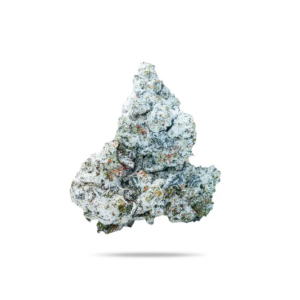
Additionally, THCA is being studied for its neuroprotective properties. Emerging research suggests that it may help protect brain cells from damage and degeneration, making it a potential candidate for treating neurodegenerative diseases such as Alzheimer’s and Parkinson’s. The non-psychoactive nature of THCA allows patients to experience these benefits without the intoxication associated with THC, making it an attractive option for those who want to avoid the high but still seek therapeutic effects. This aspect is particularly important for patients who need to maintain their daily activities while managing their symptoms.
Furthermore, preliminary studies indicate that THCA may possess anti-cancer properties, which is an exciting area of research. Some laboratory studies have shown that THCA can inhibit the growth of cancer cells and reduce the spread of tumors. While much of this research is still in its infancy, the potential for THCA to play a role in cancer prevention and treatment has captivated the attention of scientists and patients alike. As the body of research continues to grow, more individuals are exploring THCA as a natural alternative to conventional medicine for managing various health conditions.
The legal landscape of THCA in Georgia
The legal status of THCA in Georgia is somewhat complex and requires careful navigation. As of now, Georgia’s laws do not explicitly mention THCA, which has led to confusion about its legality. However, with the passage of the Georgia Medical Cannabis Act in 2015, the state legalized low THC oil for patients with specific medical conditions. This law primarily concerns THC and CBD, but it paved the way for discussions around other cannabinoids, like THCA. Since THCA is non-psychoactive, it occupies a gray area in the legal framework, making it essential for consumers and patients to stay informed about the evolving regulations.
Despite the lack of explicit legal language regarding THCA, the growing interest in cannabis-derived products has prompted state lawmakers to evaluate current regulations. The Georgia Access to Medical Cannabis Commission oversees the state’s medical cannabis program, which includes licensing for the cultivation and dispensing of low-THC oil. As the cannabis industry continues to expand, there is an ongoing dialogue about including THCA and other cannabinoids in future legislation. This situation presents both challenges and opportunities for consumers looking to access THCA products legally.
It is also crucial for consumers to understand that while THCA may not be explicitly prohibited, the sale and distribution of cannabis products can still be subject to local ordinances and restrictions. Therefore, anyone interested in using THCA should consult a legal expert or healthcare professional to ensure compliance with state and local laws. Being informed will not only help avoid legal complications but also enable individuals to make educated decisions about their health and wellness choices.
The difference between THCA and THC
To understand the growing interest in THCA, it is important to differentiate it from THC. While both compounds are derived from the cannabis plant, their effects and properties are quite distinct. THC, or tetrahydrocannabinol, is the most well-known cannabinoid and is primarily responsible for the psychoactive effects associated with cannabis consumption. When cannabis is heated, THCA undergoes decarboxylation, transforming into THC, which then produces the euphoric “high” that users often seek. This psychoactive effect can be beneficial for some patients, particularly for managing pain and anxiety, but it is not suitable for everyone.
In contrast, THCA is non-psychoactive and does not produce any intoxicating effects. This characteristic makes THCA an appealing option for individuals who want the therapeutic benefits of cannabis without the high. Many patients, particularly those with medical conditions requiring ongoing treatment, prefer to avoid THC due to its psychoactive effects, which can interfere with their daily responsibilities, work, or personal lives. THCA allows these individuals to explore the benefits of cannabis without compromising their mental clarity or functionality.

Moreover, the varying therapeutic profiles of THCA and THC open up new avenues for research and treatment. While THC has been extensively studied and is known for its analgesic and appetite-stimulating properties, THCA’s potential benefits are still being explored. Its anti-inflammatory, neuroprotective, and anti-cancer properties are gaining attention, making it a compound of interest for future studies. This distinction is crucial for consumers and patients, as understanding the differences between these cannabinoids can guide them in making informed choices about their treatment options.
How THCA is consumed and its effects
THCA is typically consumed in its raw form, but when heated through methods like smoking, vaporizing, or dabbing, it converts to THC, producing psychoactive effects. Consumption methods include smoking flower, using vaporizers, dabbing concentrates, and enjoying pre-rolls or blunts. In its raw form, THCA is non-psychoactive and is believed to have potential anti-inflammatory, neuroprotective, and anti-emetic properties, offering therapeutic benefits without the high associated with THC.

Another popular way to consume THCA is through tinctures and oils. These products are often made by extracting THCA from cannabis plants and can be taken sublingually for quick absorption. Tinctures and oils offer users more precise dosing, making it easier to tailor their intake to individual needs. Additionally, these products are often available in various concentrations, allowing consumers to choose the potency that best suits their requirements. Many users appreciate tinctures and oils for their ease of use and the ability to incorporate them into a daily wellness routine.
For those who prefer a more concentrated form, THCA can also be found in isolates and capsules. These products are designed for easy consumption and provide a convenient option for those who want to experience the benefits of THCA without the need for preparation. Isolates contain pure THCA, allowing users to consume a targeted dose without any additional compounds. Capsules offer a familiar method of consumption, making it simple for individuals to incorporate THCA into their health and wellness regimens. Regardless of the method chosen, consumers should be mindful of their individual tolerance and consult with a healthcare professional to determine the best approach for their needs.
The potential medical applications of THCA
The potential medical applications of THCA are vast and continue to be explored by researchers. One of the most promising areas is its use as an anti-inflammatory agent. Chronic inflammation is linked to numerous health issues, including arthritis, autoimmune diseases, and even certain types of cancer. By targeting inflammation at the cellular level, THCA may offer a natural alternative or adjunct to traditional anti-inflammatory medications. This could be particularly beneficial for patients who experience side effects from conventional drugs or who seek more holistic treatment options.
In addition to its anti-inflammatory properties, THCA is being investigated for its neuroprotective effects. Neurodegenerative disorders, such as Alzheimer’s and Parkinson’s disease, are often characterized by the loss of neurons and inflammation in the brain. Some studies suggest that THCA may help reduce neuroinflammation and protect against neuronal damage, potentially offering a new avenue for treatment in these challenging conditions. The ability to promote brain health without psychoactive effects makes THCA an intriguing candidate for patients seeking to maintain cognitive function as they age.
Moreover, the anti-cancer properties of THCA are gaining attention in the scientific community. Preliminary studies indicate that THCA may inhibit the growth of certain cancer cells and reduce tumor size. While this research is still in its early stages, the implications for cancer treatment and prevention are significant. As more studies are conducted to understand the mechanisms behind these effects, THCA could become an essential component of integrative cancer therapies. The potential for THCA to serve as a complementary treatment option alongside traditional therapies offers hope for patients navigating the complexities of cancer care.
THCA research and studies in Georgia
Research on THCA is still in its early stages, but efforts are underway in Georgia to investigate the compound’s potential benefits. Georgia has made significant strides in cannabis research, particularly with the establishment of the Georgia Access to Medical Cannabis Commission and various academic partnerships. These initiatives aim to study the therapeutic effects of cannabis compounds, including THCA. Universities and research institutions in the state are beginning to explore the efficacy of THCA in treating various medical conditions, contributing to a growing body of evidence that may inform future regulations and consumer options.
One notable aspect of THCA research in Georgia is its focus on patient-centered studies. Researchers are working closely with medical professionals and patients to assess the real-world applications of THCA. By collecting data on patient experiences and outcomes, they aim to identify the most effective ways to use THCA for different conditions. This collaborative approach not only enhances the quality of research but also ensures that the findings are relevant and applicable to the needs of the community.
Additionally, the rising popularity of THCA has prompted discussions among policymakers about the need for more comprehensive regulations surrounding cannabis products. As research continues to reveal the potential benefits of THCA, there is a growing recognition of the importance of creating a legal framework that supports safe access to these products for patients. This evolving landscape presents opportunities for both researchers and consumers as they navigate the complexities of cannabis use in Georgia.
The future of THCA in Georgia
The future of THCA in Georgia looks promising as public interest in cannabis-derived products continues to grow. As more individuals seek natural alternatives for managing their health conditions, the demand for THCA is likely to increase. This trend could encourage lawmakers to revisit existing cannabis regulations and consider expanding the legal framework to include a broader range of cannabinoids. As research advances and more evidence emerges regarding the benefits of THCA, it is possible that it will gain recognition as a valuable therapeutic option alongside THC and CBD.
Moreover, the cannabis industry in Georgia is evolving rapidly, with new businesses and products emerging to meet consumer demands. As manufacturers begin to offer a wider variety of THCA products, consumers will have more options to choose from, making it easier to find suitable solutions for their health needs. This expansion of the market will not only enhance access to THCA but also drive further research and innovation in the field of cannabis therapeutics.
Furthermore, as educational initiatives increase awareness about THCA and its benefits, more healthcare professionals may become open to recommending it to their patients. This shift could lead to an increase in patient engagement with THCA and a better understanding of its potential applications. Overall, the future of THCA in Georgia appears to be a landscape ripe for exploration and growth, providing hope for many individuals seeking alternative approaches to health and wellness.
Where to find THCA products in Georgia
As the interest in THCA grows, more retailers and dispensaries in Georgia are beginning to offer THCA products. Patients and consumers looking to explore THCA should start by checking licensed medical cannabis dispensaries, as these establishments are likely to carry a selection of THCA-rich products. Many dispensaries provide detailed information about their offerings, including the cannabinoid profiles of their products, making it easier for consumers to find what they need. Additionally, staff members at these dispensaries can often provide guidance and recommendations based on individual preferences and health goals.
Another option for finding THCA products is through local health and wellness stores that specialize in cannabis-derived goods. These retailers may carry various forms of THCA, including tinctures, oils, and raw cannabis flowers, catering to different consumption preferences. When shopping for THCA products, it’s essential to look for reputable brands that prioritize quality and transparency. Consumers should seek out products that provide lab testing results, ensuring that they are purchasing safe and effective items.
Online shopping is also becoming increasingly popular for those seeking THCA products. Many companies offer online ordering and shipping options, allowing consumers to access a broader range of products from the comfort of their homes. However, it is crucial to check the legality of purchasing cannabis products online in Georgia and ensure that the company complies with state regulations. By exploring various avenues for obtaining THCA, individuals can discover the products that align with their wellness needs and preferences.
Conclusion: The potential of THCA and its impact on Georgia’s cannabis industry
The growing popularity of THCA in Georgia highlights the evolving landscape of the cannabis industry and the increasing interest in alternative health solutions. As more individuals seek to harness the potential benefits of THCA, it is vital to continue fostering a supportive environment for research, education, and responsible consumption. The unique properties of THCA, combined with its non-psychoactive nature, position it as a valuable option for patients and consumers exploring natural remedies for various health conditions.
As research into THCA and its effects progresses, its potential applications will likely expand, leading to new developments in treatment options for patients. The awareness and understanding of THCA can drive discussions among lawmakers, healthcare professionals, and the community about the importance of establishing a regulatory framework that supports safe access to cannabis-derived products. As the industry continues to grow, the impact of THCA on Georgia’s cannabis landscape will become increasingly significant, paving the way for innovation and new opportunities.
Ultimately, the future of THCA in Georgia holds great promise. With continued research, advocacy, and consumer interest, THCA could play a vital role in shaping the state’s approach to cannabis and holistic health. As individuals become more informed about their options, the potential of THCA to improve quality of life and provide relief from various ailments could reshape the narrative around cannabis in Georgia, aligning it with a broader movement towards accessible, natural health solutions.