

In the ever-evolving world of cannabis research, THCV (tetrahydrocannabivarin) is carving out a niche that demands attention. Often overshadowed by its more famous counterparts, THC and CBD, this lesser-known cannabinoid holds a treasure trove of benefits that could change the way we approach wellness. From potential weight management aids to appetite suppression, THCV is now being recognized not just for its psychoactive properties but for its unique ability to enhance clarity and focus. As scientists delve deeper into the phytocannabinoid family, the surprising benefits and applications of THCV are starting to emerge, captivating both enthusiasts and health-conscious consumers. Whether you’re curious about its therapeutic potential or simply intrigued by the latest trends in natural remedies, join us as we uncover the fascinating world of THCV and explore how this cannabinoid can play a pivotal role in your health journey.
The Science Behind THCV: How It Works in the Body
Tetrahydrocannabivarin (THCV) is one of the many cannabinoids found in the cannabis plant, but its unique properties set it apart from the more well-known THC and CBD. THCV interacts with the body’s endocannabinoid system (ECS), a complex cell-signaling system that plays a crucial role in regulating a variety of physiological processes such as mood, appetite, and pain sensation. The ECS comprises endocannabinoids, receptors (CB1 and CB2), and enzymes that facilitate the breakdown and synthesis of cannabinoids. THCV’s interaction with these receptors, particularly CB1 and CB2, is what triggers its various effects.

One of the key aspects of THCV is its biphasic nature. At low doses, THCV acts as a CB1 receptor antagonist, which means it blocks the receptor’s activity. This is in stark contrast to THC, which activates the CB1 receptor and is responsible for the psychoactive “high” associated with cannabis. However, at higher doses, THCV can switch roles and act as a CB1 receptor agonist, similar to THC, although its psychoactive effects are much milder and shorter-lasting. This dual behavior is part of what makes THCV so intriguing to researchers and consumers alike.
THCV also has a significant impact on the CB2 receptors, predominantly found in the immune system. Its interaction with CB2 receptors is believed to contribute to its anti-inflammatory properties, making it a potential candidate for treating various inflammatory conditions. Moreover, THCV’s influence on the ECS extends to the modulation of neurotransmitter release, which could explain its potential in enhancing cognitive functions and neuroprotection. As research continues, the complex mechanisms of THCV are gradually being unraveled, promising exciting new avenues for its application in health and wellness.
Health Benefits of THCV: From Appetite Suppression to Neuroprotection
One of the most talked-about benefits of THCV is its ability to suppress appetite, which is a stark contrast to the “munchies” typically associated with THC consumption. THCV’s appetite-suppressing properties are particularly beneficial for individuals looking to manage their weight. Studies have shown that THCV can reduce hunger and increase satiety, making it easier for people to stick to their dietary goals. This makes THCV a compelling option for those struggling with obesity and related metabolic disorders.
Beyond its impact on appetite, THCV also shows promise in neuroprotection. Preliminary studies suggest that THCV may help in the preservation of brain cells and the prevention of neurodegenerative diseases such as Parkinson’s and Alzheimer’s. Its potential neuroprotective properties are attributed to its ability to reduce oxidative stress and inflammation in the brain. By modulating the release of neurotransmitters and protecting neural pathways, THCV could play a significant role in maintaining cognitive health and preventing the deterioration of brain functions.
Another remarkable benefit of THCV is its potential in managing blood sugar levels and insulin sensitivity. Research indicates that THCV may help in regulating blood glucose levels, which is essential for individuals with diabetes or those at risk of developing the condition. By improving insulin sensitivity, THCV can aid in the better management of diabetes, reducing the complications associated with the disease. This multifaceted cannabinoid offers a range of health benefits that extend beyond the usual scope of cannabis-related compounds, making it a valuable addition to the wellness toolkit.
THCV vs. THC: Understanding the Key Differences
While THCV and THC share a similar chemical structure and both interact with the endocannabinoid system, their differences are significant and worth understanding. The most notable difference is in their psychoactive effects. THC is well-known for its potent psychoactive properties, which can induce euphoria and alter perception. In contrast, THCV’s psychoactive effects are much milder and tend to wear off quickly, making it a more appealing option for those who wish to avoid the intense high associated with THC.
Another critical difference lies in their impact on appetite. THC often leads to increased hunger, commonly referred to as the “munchies,” which can be beneficial for individuals who need to gain weight or stimulate their appetite. On the other hand, THCV is known for its appetite-suppressing properties, making it an attractive option for weight management and obesity prevention. This opposing effect on appetite is a clear example of how even slight variations in cannabinoid structure can lead to vastly different outcomes in the body.
The therapeutic benefits of THCV also set it apart from THC. While both cannabinoids offer anti-inflammatory and pain-relieving properties, THCV has additional advantages such as promoting bone growth, improving insulin sensitivity, and providing neuroprotective effects. These unique properties make THCV an exciting area of study, with the potential to address a wide range of health issues. As research progresses, the distinct roles of THCV and THC will become even more apparent, highlighting the importance of understanding the diverse capabilities of cannabinoids.
THCV and Weight Management: Can It Help with Weight Loss?
The role of THCV in weight management is one of the most exciting and researched aspects of this cannabinoid. Unlike THC, which is notorious for inducing hunger, THCV acts as an appetite suppressant. This quality makes it a particularly intriguing option for people struggling with obesity or those looking to maintain a healthy weight. Studies have shown that THCV can help in reducing food intake and prolonging the feeling of fullness, which are critical factors in effective weight management.
The mechanism behind THCV’s appetite-suppressing effects involves its interaction with the CB1 receptors in the brain. By acting as a CB1 receptor antagonist at low doses, THCV can inhibit the receptor’s activity, which is linked to the regulation of hunger and energy balance. This action helps in curbing appetite and reducing overall food consumption. Additionally, THCV may also influence the production of hormones related to hunger and satiety, further aiding in weight management.
Besides its impact on appetite, THCV also plays a role in enhancing metabolism and promoting fat loss. Research indicates that THCV can stimulate the breakdown of body fat and increase energy expenditure, which are essential components of weight loss. By enhancing metabolic functions and preventing the accumulation of fat, THCV supports a healthier body composition. These properties make THCV a promising natural aid for weight management, offering a potential alternative to traditional weight loss supplements and medications.
Therapeutic Uses of THCV: Potential in Treating Medical Conditions
The therapeutic potential of THCV is vast and encompasses a range of medical conditions. One of the most promising areas of research is its application in neuroprotection. THCV has shown potential in protecting brain cells from damage, which is crucial for preventing neurodegenerative diseases like Parkinson’s and Alzheimer’s. Its ability to reduce inflammation and oxidative stress in the brain contributes to its neuroprotective properties, making it a valuable candidate for maintaining cognitive health and preventing the progression of neurological disorders.
Another significant therapeutic use of THCV is in the management of diabetes. Studies have demonstrated that THCV can improve insulin sensitivity and regulate blood sugar levels, which are essential for individuals with diabetes. By enhancing the body’s ability to use insulin effectively, THCV helps in maintaining stable blood glucose levels and reducing the risk of diabetes-related complications. This makes THCV a potential natural alternative for diabetes management, offering a complementary approach to traditional treatments.
THCV also shows promise in the treatment of various inflammatory conditions. Its interaction with the CB2 receptors in the immune system contributes to its anti-inflammatory properties. This makes THCV a potential candidate for treating conditions such as arthritis, inflammatory bowel disease, and other autoimmune disorders. By reducing inflammation and modulating immune responses, THCV can help in alleviating symptoms and improving the quality of life for individuals with these conditions. The wide-ranging therapeutic applications of THCV highlight its potential as a versatile and valuable cannabinoid in the field of medicine.
How to Consume THCV: Methods and Product Options
Consuming THCV can be done through various methods, each offering different experiences and benefits. One of the most common ways to consume THCV is through smoking or vaping cannabis strains that are high in this cannabinoid. Strains such as “Doug’s Varin” and “Pineapple Purps” are known for their high THCV content and provide a quick onset of effects. Smoking or vaping allows for the rapid absorption of THCV into the bloodstream, making it a popular choice for those looking for immediate effects.
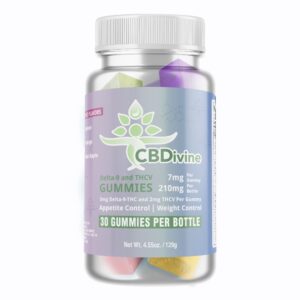
Another popular method of consuming THCV is through edibles. THCV-infused edibles, such as gummies, chocolates, and beverages, offer a discreet and convenient way to enjoy the benefits of this cannabinoid. Edibles provide a slower onset of effects compared to smoking or vaping, as the THCV needs to be metabolized by the liver before entering the bloodstream. However, the effects tend to last longer, making edibles a suitable option for those seeking sustained relief.
Tinctures and oils are also a common method for consuming THCV. These products are typically taken sublingually, meaning they are placed under the tongue for absorption. This method allows for the relatively quick onset of effects while offering precise dosing. Tinctures and oils are versatile and can be added to food and drinks or used as standalone supplements. Topical products such as creams and balms infused with THCV are also available and can be applied directly to the skin for localized relief. With a variety of consumption methods available, individuals can choose the option that best suits their needs and preferences.
Legal Status of THCV: What You Should Be Aware Of
The legal status of THCV varies across the globe and is influenced by the broader regulatory framework governing cannabis and cannabinoids. In the United States, the legality of THCV is somewhat ambiguous and can depend on its source. THCV derived from hemp, which contains less than 0.3% THC, is generally considered legal under the 2018 Farm Bill. However, THCV derived from marijuana, which has higher THC levels, is subject to stricter regulations and is only legal in states where recreational or medical marijuana is permitted. It’s important for consumers to check the specific laws in their state to ensure they are compliant with local regulations.
In other parts of the world, the legal status of THCV can vary significantly. In Canada, for example, all cannabinoids, including THCV, are regulated under the Cannabis Act, which allows for both medical and recreational use. European countries have a more fragmented approach, with some countries permitting the use of THCV under specific medical programs, while others maintain stricter prohibitions on cannabis and its derivatives. As research on THCV continues and its benefits become more widely recognized, there is potential for legal frameworks to evolve, making this cannabinoid more accessible globally.
Consumers interested in THCV should stay informed about the legal landscape and any changes in regulations. Understanding the legal status of THCV can help individuals make informed decisions about its use and ensure they are in compliance with local laws. As the cannabis industry continues to grow and evolve, staying abreast of legal developments will be crucial for both consumers and businesses involved in the production and distribution of THCV products.
Future Research on THCV: What’s on the Horizon?
The future of THCV research is filled with promise and potential. As interest in this unique cannabinoid grows, scientists are exploring its various properties and therapeutic applications in greater depth. One of the primary areas of focus is its role in weight management and metabolic health. Ongoing studies aim to better understand how THCV influences appetite, metabolism, and body fat composition. These insights could lead to the development of new treatments for obesity and related metabolic disorders, offering a natural alternative to existing weight loss medications.
Another exciting avenue of research is the neuroprotective potential of THCV. Scientists are investigating how THCV can be used to prevent or slow the progression of neurodegenerative diseases such as Parkinson’s and Alzheimer’s. By studying its effects on brain cells, neurotransmitter release, and inflammation, researchers hope to uncover new therapeutic strategies for preserving cognitive health and enhancing brain function. The potential for THCV to act as a neuroprotective agent could have far-reaching implications for the treatment of various neurological conditions.
In addition to these areas, researchers are also exploring the broader anti-inflammatory and therapeutic properties of THCV. Studies are examining its potential in treating conditions such as arthritis, inflammatory bowel disease, and other autoimmune disorders. As our understanding of the endocannabinoid system and its interaction with THCV grows, so too will the possibilities for new and innovative treatments. The future of THCV research is bright, with the potential to unlock new pathways for health and wellness.
Conclusion: Embracing THCV for Health and Wellness
As we uncover the surprising benefits and uses of THCV, it becomes clear that this lesser-known cannabinoid holds significant potential for enhancing health and wellness. From its unique ability to suppress appetite and aid in weight management to its promising neuroprotective and anti-inflammatory properties, THCV offers a range of therapeutic benefits that set it apart from its more famous counterparts, THC and CBD. As research continues to explore its various applications, THCV is poised to become a valuable addition to the wellness toolkit.
Understanding the differences between THCV and THC is crucial for consumers looking to make informed decisions about their health. While both cannabinoids interact with the endocannabinoid system, their effects and benefits are distinct. THCV’s milder psychoactive properties, coupled with its potential to improve metabolic health and cognitive function, make it an attractive option for those seeking natural remedies without the intense high associated with THC.
With various methods of consumption available, individuals can choose the option that best suits their needs and preferences, whether it’s smoking, vaping, edibles, tinctures, or topicals. Staying informed about the legal status of THCV and keeping abreast of future research developments will be essential for consumers and businesses alike. As we embrace the potential of THCV, we open the door to new possibilities for health and wellness, making this cannabinoid an exciting area of exploration in the ever-evolving world of cannabis research.