
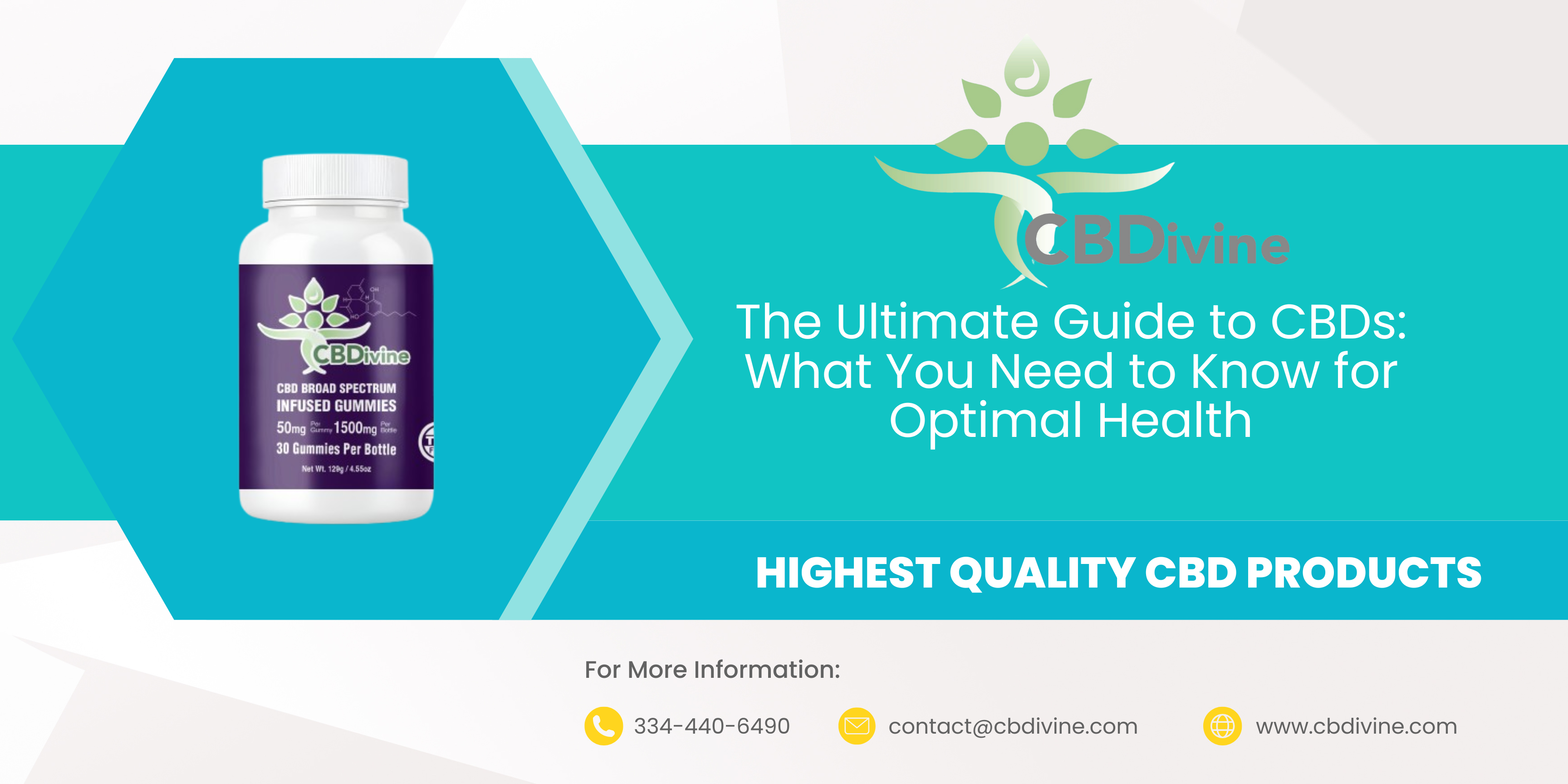
In the fast-paced world of health and wellness, CBDs have taken the spotlight as a natural remedy for optimal health. But what exactly are CBDs and why are people buzzing about them? Get ready, because this ultimate guide is about to answer all your burning questions.
CBD, short for cannabidiol, is a chemical compound found in the cannabis plant. Unlike its well-known counterpart, THC, CBD does not produce psychoactive effects. Instead, it offers a range of potential health benefits, making it a sought-after addition to many people’s wellness routines.
In this comprehensive guide, we’ll delve into the science behind CBDs and their effect on the body, exploring how they interact with the endocannabinoid system. Discover the potential benefits of incorporating CBD into your daily routine, from relieving anxiety and promoting better sleep to managing chronic pain and reducing inflammation.
Learn about the different forms of CBD available, whether it’s oils, capsules, edibles, or topicals, and how to choose the right product for your needs. Stay informed about dosage recommendations and potential side effects, ensuring you have all the necessary information for a safe and effective CBD experience.
Don’t miss out on the latest trends in health and wellness. Dive into this ultimate guide to CBDs and unlock a wealth of knowledge for optimal health.
What are CBDs?
Cannabidiol, commonly referred to as CBD, is a naturally occurring compound found in the cannabis plant. It belongs to a class of compounds known as cannabinoids, which interact with the body’s endocannabinoid system. Unlike its more famous counterpart, tetrahydrocannabinol (THC), CBD does not produce psychoactive effects, meaning it won’t get you high. This property makes CBD an appealing option for those seeking relief from various health issues without the intoxicating effects associated with THC.
CBD can be extracted from both hemp and marijuana plants, but most commercially available CBD products are derived from hemp due to its low THC content. This distinction is crucial because hemp-derived CBD products are legal in many regions, thanks to the 2018 Farm Bill in the United States, which legalized hemp cultivation and the sale of its derivatives. As a result, the market for CBD products has exploded, with various formulations and delivery methods available to consumers.
In recent years, CBD has gained popularity as a natural remedy for a variety of health concerns, prompting extensive research into its effects and benefits. From anxiety and chronic pain to inflammation and sleep disorders, many individuals are turning to CBD as a complementary approach to their wellness routine. Understanding what CBD is and how it works is essential for making informed decisions about its use and potential benefits.
The benefits of CBDs for optimal health
The potential benefits of CBD are vast and varied, making it a topic of interest for researchers, healthcare professionals, and the general public alike. One of the most well-documented benefits of CBD is its ability to alleviate anxiety and stress. Studies have shown that CBD may help reduce anxiety levels by interacting with serotonin receptors in the brain, which play a significant role in mood regulation. Users often report feeling calmer and more relaxed after taking CBD, making it a popular choice for those dealing with everyday stressors.
In addition to its anxiolytic properties, CBD is also being researched for its potential to improve sleep quality. Many individuals struggle with insomnia or poor sleep due to anxiety, chronic pain, or other underlying conditions. CBD may help promote better sleep by addressing these issues directly. Some users find that it helps them fall asleep faster and stay asleep longer, resulting in more restful nights and improved daytime functioning.

Chronic pain management is another area where CBD shows promise. Research suggests that CBD may have anti-inflammatory properties, which could be beneficial for individuals dealing with conditions like arthritis, fibromyalgia, or other inflammatory disorders. By reducing inflammation and modulating pain signals, CBD may provide a natural alternative to traditional pain medications, offering relief without the risk of addiction or significant side effects.
Different forms of CBDs – oils, capsules, edibles, etc.
CBD products come in various forms, each with its own unique advantages and disadvantages. One of the most popular forms is CBD oil, which is typically taken sublingually (under the tongue) for rapid absorption. CBD oils are available in different concentrations, allowing users to customize their dosage according to their needs. This method is favored for its fast onset of effects, making it ideal for those seeking immediate relief.
Capsules are another convenient option for those who prefer a pre-measured dose of CBD. They are easy to take and can be incorporated into daily routines without much hassle. However, capsules may take longer to take effect compared to oils, as they must pass through the digestive system before entering the bloodstream. For individuals who dislike the taste of oils or tinctures, capsules provide a tasteless alternative.
Edibles, such as gummies, chocolates, and beverages infused with CBD, offer a fun and delicious way to consume CBD. These products come in various flavors and dosages, making it easy to find something that suits your preferences. However, like capsules, edibles can take longer to produce effects due to the digestion process. It’s important for consumers to read labels carefully to understand the concentration of CBD in each edible product, as they can vary widely.

How CBDs work in the body
To understand how CBD works in the body, it’s essential to explore the endocannabinoid system (ECS), a complex cell-signaling system that plays a crucial role in maintaining homeostasis. The ECS comprises three main components: endocannabinoids, receptors, and enzymes. Endocannabinoids are naturally produced by the body and help regulate various physiological processes, including mood, pain sensation, appetite, and immune response.
CBD primarily interacts with two main receptors in the ECS: CB1 and CB2 receptors. CB1 receptors are mostly found in the brain and central nervous system, while CB2 receptors are predominantly located in the peripheral nervous system and immune cells. Unlike THC, which binds directly to CB1 receptors and produces psychoactive effects, CBD does not bind directly to these receptors. Instead, it modulates their activity and may enhance the effects of the body’s natural endocannabinoids, leading to various therapeutic outcomes.
Additionally, CBD is known to influence several non-cannabinoid receptors and ion channels in the body, including serotonin receptors and vanilloid receptors. This broad range of interactions contributes to its potential benefits, making CBD a versatile compound for addressing a variety of health concerns. As research continues to unfold, scientists are uncovering more about the intricate ways in which CBD interacts with the body, further validating its role as a natural remedy for optimal health.
Potential side effects of CBDs
While many people use CBD without experiencing adverse effects, it is essential to be aware of potential side effects. Some users may experience mild side effects such as fatigue, dry mouth, dizziness, or changes in appetite. These effects are generally considered manageable and may diminish with continued use or by adjusting the dosage.
One of the more significant concerns regarding CBD is its interaction with other medications. CBD can inhibit certain liver enzymes responsible for metabolizing various drugs, potentially leading to increased concentrations of those medications in the bloodstream. This interaction can heighten the risk of side effects from those medications. Therefore, individuals taking prescription drugs should consult a healthcare professional before incorporating CBD into their routine.
It’s also worth noting that the quality and purity of CBD products can vary significantly between brands and products. Poor-quality CBD products may contain harmful additives or inconsistent dosages, leading to unexpected side effects. This highlights the importance of sourcing CBD from reputable manufacturers that provide third-party lab testing to ensure product safety and efficacy.
Dosage and administration of CBDs
Determining the appropriate dosage of CBD can be a challenging task, as it varies from person to person based on several factors, including body weight, individual body chemistry, and the specific health issue being addressed. It’s generally advisable for new users to start with a low dose and gradually increase it until they achieve the desired effects. Many experts suggest beginning with a dose of 5-10 mg of CBD per day and observing how the body responds over a week or two.
Once a baseline is established, users can adjust their dosage as needed. Some individuals may find that higher doses are necessary to manage specific health conditions, while others may require only a small amount for effective relief. Keeping a journal to track dosages, effects, and any side effects can be a helpful strategy for optimizing the CBD experience and finding the right balance.

The method of administration also plays a role in how quickly and effectively CBD takes effect. For instance, sublingual oils and tinctures provide faster results than edibles or capsules, as they bypass the digestive system. Users should consider their needs and lifestyle when choosing a method of administration, whether they prefer the rapid onset of oils or the convenience of edibles.
CBDs and their impact on specific health conditions
Research into the effects of CBD on specific health conditions is an evolving field, with numerous studies highlighting its potential benefits. For instance, CBD has been studied for its role in managing anxiety disorders. A growing body of evidence suggests that CBD may help reduce symptoms of anxiety, including social anxiety and panic disorders, providing a natural alternative to traditional anxiolytic medications.
In the realm of chronic pain management, several studies have indicated that CBD may alleviate pain associated with conditions such as arthritis, multiple sclerosis, and neuropathic pain. By interacting with the endocannabinoid system and reducing inflammation, CBD may provide a safe and effective option for those seeking relief from chronic discomfort without the risk of addiction associated with opioid medications.
Moreover, CBD’s potential neuroprotective properties have generated interest in its use for neurological disorders such as epilepsy and multiple sclerosis. The FDA has even approved a CBD-based medication, Epidiolex, for the treatment of certain forms of epilepsy, demonstrating the compound’s efficacy in managing seizures. As research continues, more health conditions may be linked to the therapeutic properties of CBD, further solidifying its role in holistic health approaches.
Legal considerations and regulations surrounding CBDs
The legal landscape surrounding CBD is complex and varies significantly between countries and states. In the United States, the 2018 Farm Bill legalized hemp-derived CBD products containing less than 0.3% THC on a federal level. However, states have the authority to implement their own regulations, leading to discrepancies in legality across the country. Some states have fully embraced CBD, while others have stringent restrictions or outright bans on its sale and use.
Internationally, the legality of CBD varies widely. Some countries have embraced CBD as a legal health supplement, while others still classify it alongside marijuana, leading to strict regulations and penalties for possession or distribution. This legal uncertainty can impact consumers, as they may find it challenging to navigate which products are safe and legal to use in their regions.
It’s crucial for consumers to stay informed about local laws regarding CBD and to choose products from reputable sources that comply with regulatory standards. Additionally, understanding the difference between hemp-derived CBD and marijuana-derived CBD can help consumers make informed decisions, especially regarding THC content and the associated legal implications.
Finding high-quality CBD products
With the surge in popularity of CBD, the market is flooded with products of varying quality. To ensure you are purchasing high-quality CBD, it’s essential to do your research. Look for products that provide third-party lab testing results, which verify the potency and purity of the CBD. Reputable companies will make these results readily available on their websites or upon request, allowing consumers to make informed decisions.
Another important factor to consider is the source of the hemp used in the CBD products. Ideally, you want to choose products made from organically grown hemp, as this reduces the likelihood of contaminants such as pesticides, heavy metals, or other harmful substances. Additionally, check for information about the extraction methods used, as CO2 extraction is generally considered the gold standard for producing high-quality CBD oil.
Lastly, read customer reviews and testimonials to gauge the experiences of others who have used the product. While individual experiences may vary, overall trends can provide insight into the effectiveness and reliability of specific brands. By taking these steps, consumers can increase their chances of finding high-quality CBD products that meet their health needs.
Conclusion: Incorporating CBDs into your health routine
As interest in CBD continues to grow, it’s essential for individuals to approach its integration into their health routines mindfully. With its wide range of potential benefits, CBD may serve as a valuable addition for those seeking natural alternatives for managing anxiety, pain, sleep issues, and more. However, education and awareness are critical to ensuring a safe and effective experience.
Before incorporating CBD into your routine, it’s advisable to consult with a healthcare professional, particularly if you are taking other medications or have underlying health conditions. They can help guide you on appropriate dosages and potential interactions, allowing for a personalized approach to your wellness journey.
Ultimately, the journey with CBD is personal, and finding the right products and dosages may take time. By staying informed about the latest research, legal regulations, and product quality, you can confidently explore the world of CBD and unlock its potential benefits for optimal health. Embrace the possibilities that CBD offers and take a step towards a more balanced and health-conscious lifestyle.