

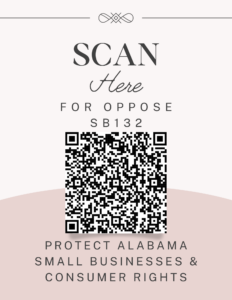
In the ongoing debate over cannabis legislation, Alabama’s SB132 proposes changes that warrant serious scrutiny. This bill targets psychoactive cannabinoids derived from hemp, such as Delta-8, Delta-9, and Delta-10 THC, by seeking to classify them as Schedule I controlled substances. While regulation of these substances is vital, SB132 could have unintended consequences that are detrimental to both the state’s economy and individual freedoms.
Threat to Local Economies and Businesses
One of the most immediate impacts of SB132 would be on Alabama’s burgeoning hemp industry. Businesses that produce and sell hemp-derived cannabinoids have become significant contributors to local economies, providing jobs and supporting agricultural communities. By reclassifying psychoactive cannabinoids as controlled substances, SB132 threatens to dismantle this growing sector, potentially leading to job losses and economic downturns in areas that have largely benefited from this industry.
Consumer Rights and Access
Under current law, consumers in Alabama have the right to access hemp-derived cannabinoids that offer alternative wellness options. These substances have gained popularity for their potential therapeutic benefits, providing relief for those seeking alternatives to traditional pharmaceuticals. SB132 would effectively restrict access to these products, limiting consumer choice and denying individuals valuable options for managing their health and well-being.
Unintended Consequences for Public Health
While SB132 aims to regulate psychoactive substances, it may inadvertently create negative public health outcomes. By driving the market underground, users may be pushed toward black-market products, which lack safety regulations and quality controls, increasing the risk of harmful substances entering the supply chain. Ensuring access to regulated, safe products is paramount to protecting consumer health and avoiding the pitfalls of unregulated markets.
Reassessing the Approach to Youth Protection
Interestingly, SB132 also seeks to repeal the current provision that bans the sale of psychoactive cannabinoids to minors. This move seems counterintuitive to public health and safety, as the existing law provides a clear safeguard against underage access to these substances. Rather than removing this protection, efforts should focus on reinforcing measures to prevent underage sales while educating youth on the potential risks of cannabinoid use.
A Call for Balanced Regulation
Ultimately, the issue at hand is one of regulation—not prohibition. A balanced approach that enhances safety, supports industry growth, and respects consumer choice is essential. Policymakers should collaborate with industry experts, health professionals, and community stakeholders to develop regulations that address concerns without stifling innovation and economic opportunity.
In conclusion, SB132, as currently drafted, raises multiple concerns that could stifle Alabama’s hemp industry, limit consumer freedoms, and negatively impact public health. By advocating for more nuanced and balanced legislation, we can ensure that Alabama remains a place where businesses thrive, consumers have choices, and public health is prioritized. Let’s oppose SB132 and work towards a future that embraces responsible cannabis legislation and regulation.
