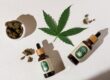
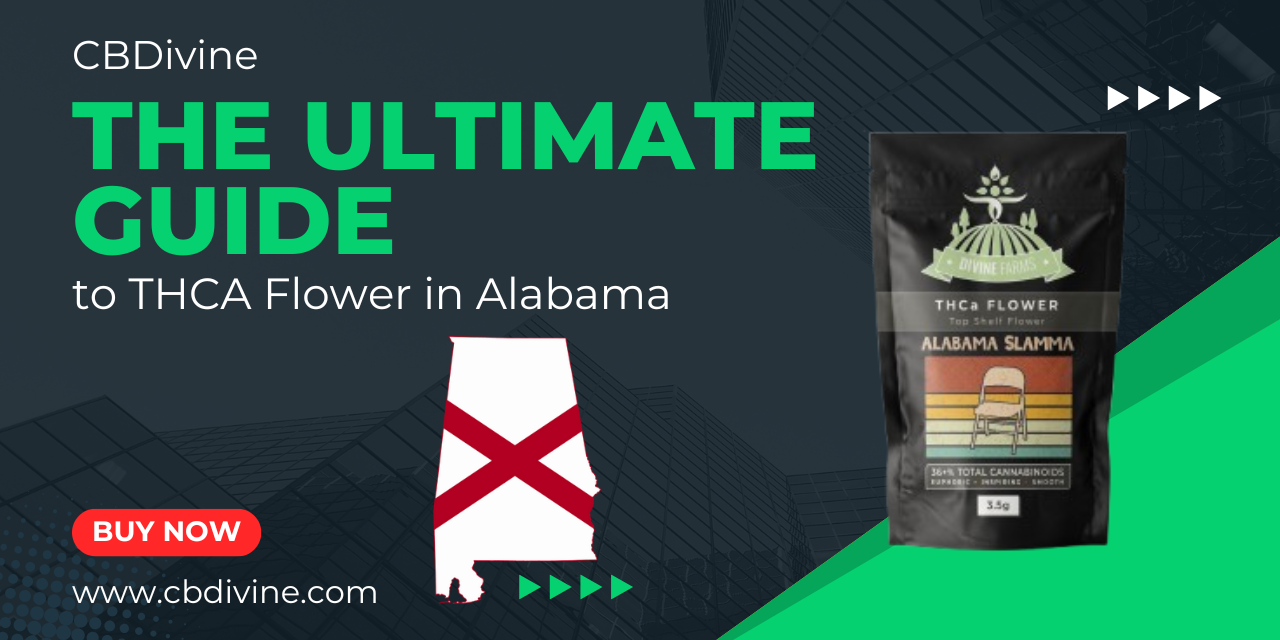
Welcome to the ultimate guide to THCA Flower in Alabama! If you’re looking to uncover the hidden benefits of this natural remedy and find out where to buy it, you’ve come to the right place.
THCA, or tetrahydrocannabinolic acid, is a non-psychoactive compound found in raw cannabis plants. While it doesn’t provide the intoxicating effects associated with THC, THCA has its own potential health benefits that make it an intriguing option for many. From its anti-inflammatory and neuroprotective properties to its potential for alleviating pain and promoting relaxation, THCA is gaining attention as a natural alternative for various ailments.
In this comprehensive guide, we’ll dive deep into the world of THCA flower in Alabama. We’ll explore its benefits and delve into the science behind its therapeutic potential. We’ll also provide you with helpful tips on where to find high-quality THCA flower in the state, ensuring you have access to safe and reliable products.
Join us on this enlightening journey as we uncover the hidden benefits of THCA flower and help you navigate the Alabama cannabis market with confidence. Let’s get started!
What is THCA and how does it differ from THC?
THCA, or tetrahydrocannabinolic acid, is a naturally occurring compound found in raw cannabis plants. It is the precursor to THC (tetrahydrocannabinol), the well-known psychoactive component of cannabis. Unlike THC, THCA is non-psychoactive, meaning it does not produce the “high” typically associated with cannabis use. This distinction is essential for users who are interested in the therapeutic benefits of cannabis without experiencing intoxication. As a result, THCA has garnered interest among those seeking alternative remedies for various health issues, as it can be consumed without the side effects of THC.
The primary difference between THCA and THC lies in their chemical structure and effects on the body. THCA is found in the raw, unheated cannabis plant, and it must undergo a process called decarboxylation to convert into THC. This process occurs when cannabis is heated through methods such as smoking, vaping, or cooking. During decarboxylation, THCA loses a carboxyl group and transforms into THC, which then interacts with the body’s endocannabinoid system to produce psychoactive effects. Therefore, while THCA is often available in its raw form, THC is the form that provides the intoxicating experience associated with recreational cannabis use.
Understanding the differences between THCA and THC is crucial for consumers who want to harness the benefits of cannabis without the psychoactive effects. As more people become aware of THCA’s potential, it is becoming increasingly popular as a natural remedy. In Alabama, where cannabis use is still evolving, many individuals are turning to THCA flower to explore its benefits and find relief for various ailments without the associated high of THC.
The potential therapeutic benefits of THCA
THCA is gaining attention for its array of potential therapeutic benefits. Research suggests that THCA may possess anti-inflammatory properties, making it a promising option for individuals suffering from conditions characterized by chronic inflammation, such as arthritis or autoimmune disorders. By interacting with the body’s endocannabinoid system, THCA may help regulate immune responses and reduce inflammation, leading to improved overall health and well-being. This aspect of THCA could significantly benefit those looking for a natural alternative to traditional anti-inflammatory medications.
In addition to its anti-inflammatory properties, THCA has shown potential neuroprotective effects. Some studies indicate that THCA may help protect neurons from damage and degeneration, which could be beneficial for those with neurodegenerative diseases such as Alzheimer’s or Parkinson’s. The ability of THCA to interact with the endocannabinoid system may help promote neuronal health and support cognitive function. This aspect makes it an intriguing option for individuals seeking ways to support brain health naturally.
Moreover, THCA may also aid in pain relief and relaxation. Many users report feeling more at ease and comfortable when consuming THCA flower. By modulating pain perception and promoting relaxation, THCA could provide a natural remedy for those dealing with chronic pain, stress, or anxiety. With the increasing interest in plant-based therapies, THCA is becoming a popular choice for individuals looking for alternatives to pharmaceutical medications for managing pain and stress-related conditions.
Research and studies on THCA
The body of research surrounding THCA is still in its early stages, but preliminary studies have provided valuable insights into its potential benefits. One area of focus has been the anti-inflammatory properties of THCA. Research published in the Journal of Natural Products has demonstrated that THCA can effectively inhibit inflammatory pathways, suggesting its potential as a therapeutic agent for conditions involving chronic inflammation. This finding is particularly relevant for individuals suffering from diseases like rheumatoid arthritis, where inflammation plays a significant role in symptom exacerbation.
Another critical area of research is THCA’s neuroprotective potential. A study conducted by the National Institute of Health explored the effects of THCA on neuroinflammation and its impact on neurodegenerative diseases. The results indicated that THCA could help reduce neuroinflammation, suggesting its use as a potential treatment for diseases such as Alzheimer’s and multiple sclerosis. While more extensive clinical trials are needed to fully understand its efficacy, these initial findings are promising and warrant further investigation.
Furthermore, anecdotal evidence from patients using THCA flower has contributed to the growing interest in its therapeutic potential. Many users report experiencing relief from various ailments, including chronic pain, anxiety, and sleep disorders. While these personal testimonials are compelling, they highlight the need for rigorous scientific studies to validate these claims and establish standardized dosing guidelines for THCA products. As research continues to evolve, THCA has the potential to become a recognized alternative therapy in the cannabis landscape.
Legal status of THCA flower in Alabama
The legal status of THCA flower in Alabama is a nuanced topic, influenced by the state’s evolving cannabis laws and regulations. As of now, Alabama has legalized the use of medical cannabis, but the specifics regarding THCA and its classification can be complex. THCA is considered a hemp-derived compound when it contains less than 0.3% THC, which aligns with federal regulations established by the 2018 Farm Bill. This law legalized hemp and its derivatives, including THCA, as long as they meet the THC threshold.
However, the legal landscape is still in flux, and individuals interested in using THCA flower should stay informed about state regulations. Alabama’s medical cannabis program allows for licensed medical professionals to recommend cannabis products, but the availability of THCA flower may vary depending on local dispensaries and their product offerings. As the market continues to grow, more dispensaries may begin to offer THCA products, providing patients with access to this non-psychoactive compound.
It’s essential for consumers to understand the legal implications of purchasing and using THCA flower in Alabama. While it may be legally available in certain circumstances, individuals should only obtain products from licensed dispensaries to ensure safety and compliance with state laws. As the public perception of cannabis evolves, advocacy efforts may lead to more comprehensive regulations surrounding THCA and its use in the medical community.
Where to find high-quality THCA flower in Alabama
Finding high-quality THCA flower in Alabama requires a bit of research and knowledge about local dispensaries. As the medical cannabis market expands, more dispensaries are likely to carry THCA products. Patients interested in sourcing THCA flower should look for licensed dispensaries that specialize in cannabis products, as they will typically offer a selection of high-quality strains. Many dispensaries provide lab-tested products, ensuring that consumers receive accurate information regarding potency and cannabinoid content.
One of the best ways to locate reputable dispensaries is to check online resources and local cannabis directories. These platforms often provide reviews and ratings from other consumers, helping potential buyers make informed decisions about where to purchase THCA flower. Additionally, social media groups and online forums dedicated to cannabis can serve as valuable resources for recommendations and experiences shared by other users in Alabama.
When searching for THCA flower, it’s crucial to inquire about the sourcing and cultivation practices of the dispensaries. High-quality THCA products are typically derived from organically grown cannabis plants, free from pesticides and harmful chemicals. Engaging with dispensary staff can provide insight into their sourcing methods and ensure that you are purchasing a safe and effective product. As the market continues to develop, consumers can look forward to more options for accessing high-quality THCA flower in Alabama.
How to consume THCA flower
Consuming THCA flower can be approached in various ways, depending on individual preferences and desired effects. One of the most common methods is raw consumption, which involves chewing on the fresh cannabis buds. This method allows users to experience the benefits of THCA without the psychoactive effects of THC. Consuming raw THCA flower can be an effective way to incorporate it into a healthy diet, as it can be added to smoothies, salads, or juices for a nutritional boost.
Another popular method of consumption is through juicing. Many health enthusiasts are turning to cannabis juicing as a way to reap the benefits of raw cannabis without heating it, thus preserving the THCA content. Juicing allows for easy integration into daily routines and provides a refreshing and healthful beverage option. When juicing, it’s essential to use fresh and organic cannabis leaves and buds to ensure the highest quality of nutrients and THCA.
For those who prefer inhalation methods, vaporizing THCA flower is an option. Unlike smoking, vaporizing allows for the active compounds to be released without combustion, preserving the integrity of THCA. This method can provide quick relief and an enjoyable experience without the adverse effects associated with traditional smoking. However, it’s crucial to use a vaporizer designed for flower to ensure optimal efficiency and effectiveness. As consumers explore different methods, they can find the approach that best suits their needs and lifestyle.
Precautions and potential side effects of THCA flower
While THCA flower is generally considered safe for consumption, it’s essential to approach it with caution, particularly for new users or those with pre-existing health conditions. As with any cannabis product, individuals should start with a low dose to gauge their body’s response. Because THCA is non-psychoactive, most users do not experience the intoxicating effects associated with THC; however, individual reactions can vary. Monitoring personal responses to THCA can help users determine the optimal dosage for their needs.
Additionally, individuals with specific medical conditions or those taking medications should consult with a healthcare professional before incorporating THCA flower into their regimen. The interaction between THCA and certain medications is not fully understood, and it’s essential to ensure that there are no contraindications that could lead to adverse effects. This precaution is particularly important for those with a history of cannabis sensitivity or those who may be pregnant or breastfeeding.
While side effects from THCA flower are rare, some users may experience mild gastrointestinal discomfort, headaches, or fatigue. Staying hydrated and consuming THCA in moderation can help mitigate these potential side effects. As research continues to unfold, more information about the safety and efficacy of THCA will become available, allowing users to make informed decisions about their cannabis consumption.
THCA flower vs other cannabis products
When comparing THCA flower to other cannabis products, it’s essential to consider the differences in composition, effects, and methods of consumption. Traditional cannabis products, such as THC-rich flower, edibles, and oils, primarily focus on providing the psychoactive effects associated with THC. These products can be beneficial for those seeking pain relief, relaxation, or euphoria but may not be suitable for individuals who want to avoid intoxication. In contrast, THCA flower offers a non-psychoactive alternative, making it appealing to a broader audience, including those who are new to cannabis or prefer a more therapeutic approach.
Another significant distinction is in the method of consumption. While THCA flower can be consumed raw, many THC products require heating or cooking to activate their psychoactive properties. This means that those who prefer to consume cannabis in its raw form will find THCA flower to be a more versatile option. Additionally, THCA products can be incorporated into various diets, allowing users to experience the benefits of cannabinoids without the effects of THC.
Furthermore, the therapeutic benefits of THCA and THC may differ. While THC is known for its ability to alleviate pain and induce relaxation, THCA has been researched for its anti-inflammatory and neuroprotective properties. This distinction can help users tailor their cannabis experience to their specific needs. For those seeking the benefits of cannabis without the high, THCA flower may be the ideal choice, allowing individuals to explore the world of cannabinoids in a way that aligns with their preferences and lifestyle.
Conclusion: Exploring the potential of THCA flower in Alabama
As the landscape of cannabis continues to evolve, THCA flower emerges as a promising alternative for individuals seeking natural remedies in Alabama. Its non-psychoactive nature allows users to enjoy the benefits of cannabis without experiencing the intoxicating effects of THC. The potential therapeutic benefits, including anti-inflammatory and neuroprotective properties, position THCA as an intriguing option for addressing various health concerns.
While research is still in its infancy, preliminary studies and anecdotal evidence suggest that THCA flower may offer relief for chronic pain, anxiety, and other ailments. As more dispensaries begin to carry THCA products, consumers will have greater access to this unique compound. However, it remains essential for individuals to stay informed about the legal status and safety guidelines surrounding THCA flower in Alabama.
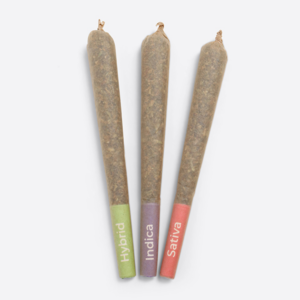
In conclusion, exploring the potential of THCA flower can lead to new avenues for wellness and health. Whether consumed raw, juiced, or vaporized, THCA offers a natural alternative for those seeking relief without the high of traditional cannabis products. As the market continues to grow and more research emerges, the possibilities for THCA flower in Alabama are bound to expand, providing individuals with safe and effective options for holistic health and well-being.
FAQs
1. Is THCA psychoactive?
THCA is not psychoactive in its raw form. It is the precursor to THC, which is the compound responsible for the psychoactive effects of cannabis. THCA becomes psychoactive when it is converted into THC through a process called decarboxylation, which occurs when cannabis is heated, such as through smoking, vaping, or cooking. Therefore, consuming raw cannabis that contains THCA will not produce a high unless it is heated to convert the THCA into THC.
2. How is THCA flower grown?
THCA flower is essentially cannabis flower that is rich in THCA, the non-psychoactive precursor to THC. Growing THCA-rich cannabis flower involves the same general process as growing any cannabis plant, with a focus on cultivating strains known for high THCA content.
3. How is THCA flower legal?
THCA flower is legal in some areas because it is non-psychoactive and often falls under hemp regulations if it contains less than 0.3% THC. However, legality varies by jurisdiction, so local laws must be consulted.
4. Is THCA addictive?
THCA itself is not considered addictive, as it is non-psychoactive and does not produce the “high” associated with THC. However, more research is needed to fully understand its effects.
5. Where to buy THCA flower in Montgomery, AL?
To purchase THCA flower in Montgomery, AL, you can check out CBDivine, a reputable retailer known for offering high-quality cannabis products.